
Do you feel stiff when you get out of bed, struggle to straighten up after sitting for a while, or find turning your head when reversing the car harder than it used to be?
Many of us notice more stiffness as we get older. Rest assured this is a completely normal process of aging but there are many things you can do to help yourself feel less stiff as you age.
The important thing to understand is that stiffness is a symptom, not an inevitable consequence of getting older. Our tissues change throughout life, but stiffness can have several causes, many of which can be addressed.
How do our bodies change as we age?
Our muscles, tendons, ligaments and joints all undergo gradual changes as we get older. How much these affect us varies considerably between individuals.
Muscles: From middle age onwards, muscle mass and strength can gradually decline, particularly if we are physically inactive. In muscles, lipofuscin (a ‘wear and tear’ pigment) and fat is deposited, muscles start to shrink and their fibres are replaced more slowly or are replaced by more fibrous tissue. This can make activities such as climbing stairs or getting up from a low chair more demanding.
Tendons and ligaments: Tendons attach muscles to bones, while ligaments connect bones and help stabilise joints. Both contain collagen, a structural protein that provides strength and support. With age, changes in collagen organisation and tissue repair can affect how these structures respond to stretching and loading.
Joint cartilage: The fluid that keeps our joints well lubricated may decrease as we age. Smooth articular cartilage covers the ends of bones within many joints, allowing them to glide against each other while distributing loads. It contains collagen and water-attracting molecules called proteoglycans, which help it withstand compression.
The fluid that keeps our joints well lubricated may decrease as we age. the cartilage in these joints therefore is closer together and may rub and start to erode (osteoarthritis) and minerals (like calcium) may deposit in and around some joints (calcification).
Cartilage undergoes changes as we age, but normal ageing is not the same as osteoarthritis. Osteoarthritis affects the whole joint and can cause pain, stiffness and reduced movement, although not everyone develops symptoms.
Joint capsules and surrounding tissues: A fibrous capsule surrounds many joints, helping support and contain them. Its inner lining produces synovial fluid, which lubricates the joint and helps nourish the cartilage. Changes in surrounding tissues, together with reduced movement, can contribute to a feeling of restricted mobility.
However, these age-related changes don’t automatically cause pain or stiffness. Our activity levels, general health, previous injuries and medical conditions all influence how comfortably we move.
Why does stiffness develop?
Sitting still for long periods can leave us feeling stiff when we first stand up. Muscles may become tense, and joints can feel less comfortable after remaining in one position.
Reduced activity can also lead to weaker muscles and less tolerance for physical effort. If movement feels uncomfortable, we may naturally do less, which can further reduce our strength and confidence.
Stiffness can also be associated with osteoarthritis, inflammatory conditions such as rheumatoid arthritis and other health problems. Persistent morning stiffness, particularly with swollen joints, should not simply be dismissed as a normal part of ageing.
Five ways to keep moving comfortably
You don’t need an elaborate exercise programme to get started.
- Move regularly. Break up long periods of sitting by standing, walking around and gently moving your shoulders, back and hips.
- Start the day gently. If you’re stiff in the morning, try a short walk around the house or some comfortable shoulder and ankle movements before tackling more demanding activities.
- Build strength. Sit-to-stand exercises, resistance bands and suitable weight-bearing activities can help maintain muscle strength and everyday function. Start at a level that suits you and build gradually.
- Choose activities you enjoy. Walking, swimming, dancing and gardening can all help you stay active. Little and often is a useful approach.
- Don’t force painful movements. Adapt activities if necessary and seek advice if pain is sharp, severe, persistent or getting worse.
Our tissues can continue to adapt throughout life. Regular movement and appropriately graded exercise can help maintain strength, mobility and the ability to manage everyday activities.
Can osteopathy help with stiffness?
Physical therapy, such as osteopathy, can be very useful in helping to maintain good range of motion in joints, stretch out tight muscles and break down fibrous tissue deposits. Many patients report feeling more mobile and able after even a short course of treatment.
Understanding what’s causing your stiffness is an important first step.
We are trained to assess and diagnose musculoskeletal problems. At The Courtyard Osteopaths in Bristol, an appointment includes discussing your symptoms and medical history, followed by an appropriate physical examination.
Your osteopath can explain their findings and discuss suitable options. Depending on your individual circumstances, these may include hands-on osteopathic techniques, movement advice and exercises. If your symptoms suggest another condition or further investigation is needed, referral to a GP or specialist may be appropriate.
Ready to feel better?
Although we can’t prevent every change that comes with age, staying active, maintaining strength and investigating persistent symptoms can help us preserve our mobility and independence.
If stiffness is making everyday activities more difficult, don’t assume you simply have to live with it. Finding out what’s causing the problem is a sensible place to start.
The Courtyard Osteopaths in Bristol can help you understand your musculoskeletal symptoms and explore whether osteopathic care is appropriate for you. Contact us to find out more or arrange an appointment.
To book an appointment, you can use our easy online booking link below or call the Centre for Whole Health Reception on 0117 923 1138.
Book an appointment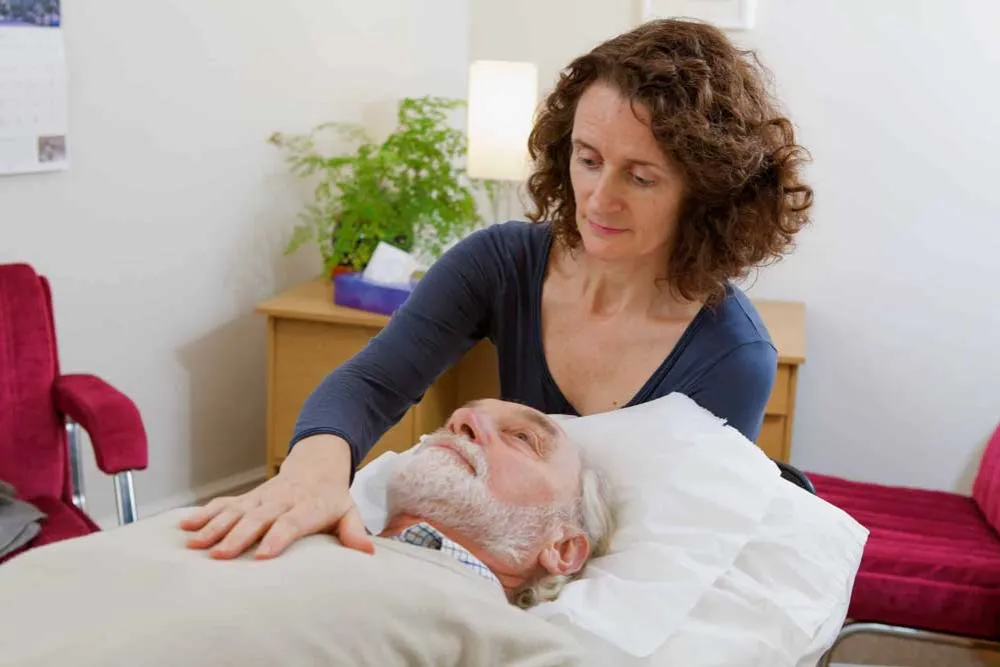
What Do Other People Think

Rated 5 star by over 60 clients
