
Assessment and Osteopathy for Neck Pain in Bedminster, Bristol
We are trained to assess, diagnose and screen symptoms and are qualified to refer you to GP or other specialist if need be.

Wondering why your neck feels so stiff?
Whether your symptoms began after an awkward night's sleep, prolonged desk work or have gradually developed over time, our experienced osteopaths are here to help. At the Courtyard Osteopaths, we take the time to understand not only where your pain is, but why it has developed, so the focus attends to your individual needs.
COMMON SYMPTOMS
What does neck pain feel like?
- Stiffness or reduced movement when turning your head
- Pain at the base of the skull or across the shoulders
- Muscle spasm or a feeling that your neck has "locked"
- Pain spreading into the shoulders or arms
- Headaches that seem linked to the neck
- Tingling or numbness in the arm or hand
- Pain after prolonged computer work or driving
- Difficulty finding a comfortable sleeping position
Do any of these symptoms sound familiar? If so, osteopathy could be the right choice for you.
POSSIBLE CAUSES
What causes neck pain?
- Poor posture and prolonged sitting or desk work
- Postural patterns such as looking down at phones and tablets
- Muscle tension related to stress
- Sleeping awkwardly or using an unsuitable pillow
- Minor sports injuries
- Osteoarthritis and age-related changes
- Disc problems in the cervical spine
- Jaw clenching or teeth grinding related to neck pain
Often more than one factor is involved. Our aim is to identify the underlying contributors so that our care addresses the cause of your symptoms rather than simply relieving them temporarily.
Pain referred to the neck
Because the neck works closely with the shoulders, upper back and jaw, we assess these areas too.
For some patients, improving movement in the upper back or shoulders, or relieving jaw tension, can make a significant difference to neck pain and associated headaches.
Neck pain and headaches
Headaches often originate from tension or stiffness in the neck. Reduced movement in the upper cervical spine, muscle tension or jaw dysfunction can all contribute to headaches. By improving movement and reducing tension, osteopathy can often decrease both the frequency and intensity of headaches.
Explore our headache page.
YOUR VISIT
How can osteopathy help neck pain?
Osteopathy looks at how the neck, shoulders and upper back work together, using gentle techniques to ease muscular tension, improve mobility and support more comfortable movement.
At your first appointment your osteopath will talk to you about your symptoms, medical history and lifestyle. They will assess how your neck, shoulders and upper back are moving and consider how other parts of your body may be contributing, then explain their findings and work with you to develop an individual osteopathic plan if appropriate, or advise whether your GP should be involved first.
Conservative care, including osteopathy, exercise and self-management, helps many people with neck pain. However, if your symptoms appear neurological and we think further investigations or a specialist referral are appropriate, we'll discuss this with you.
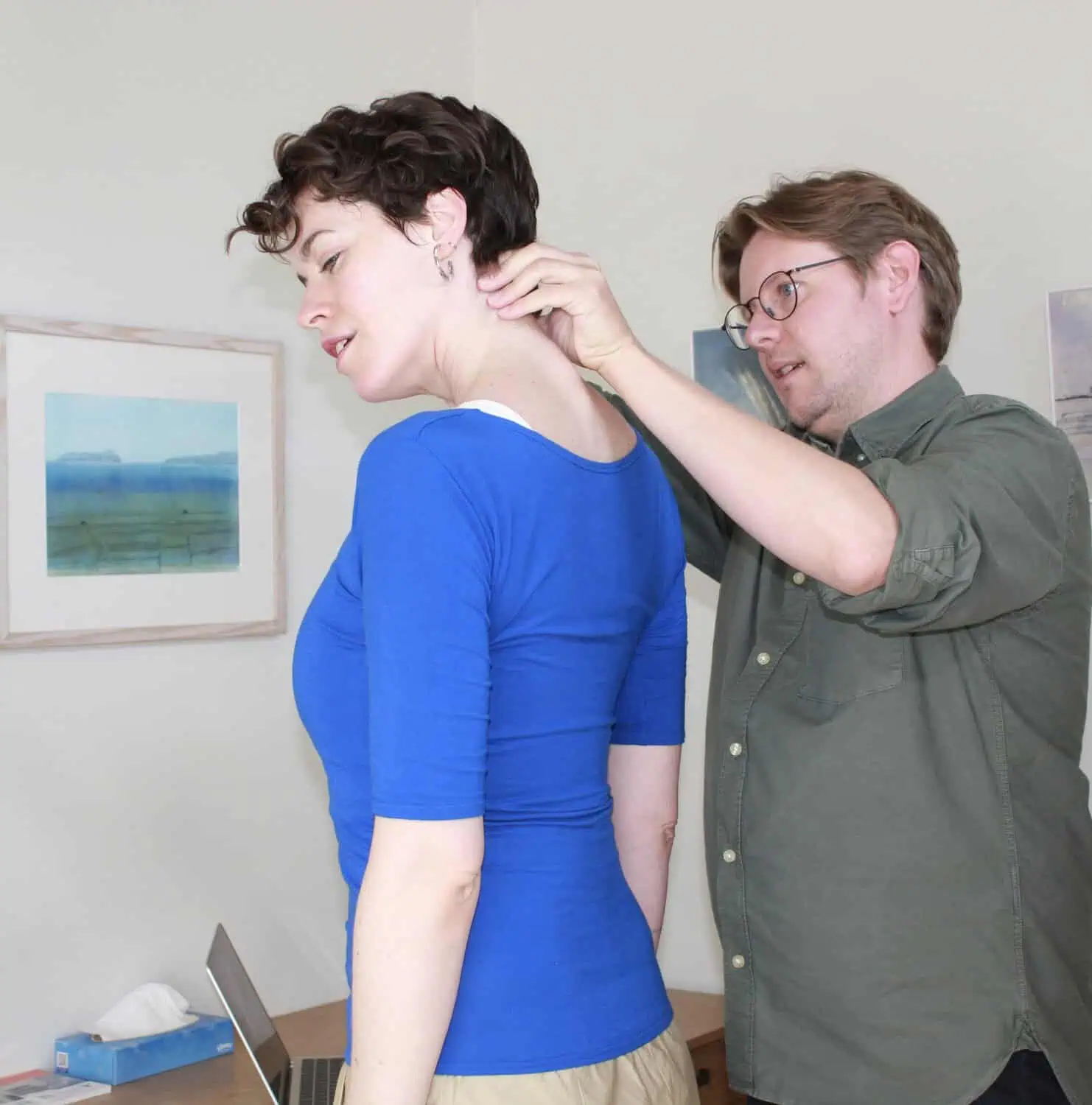
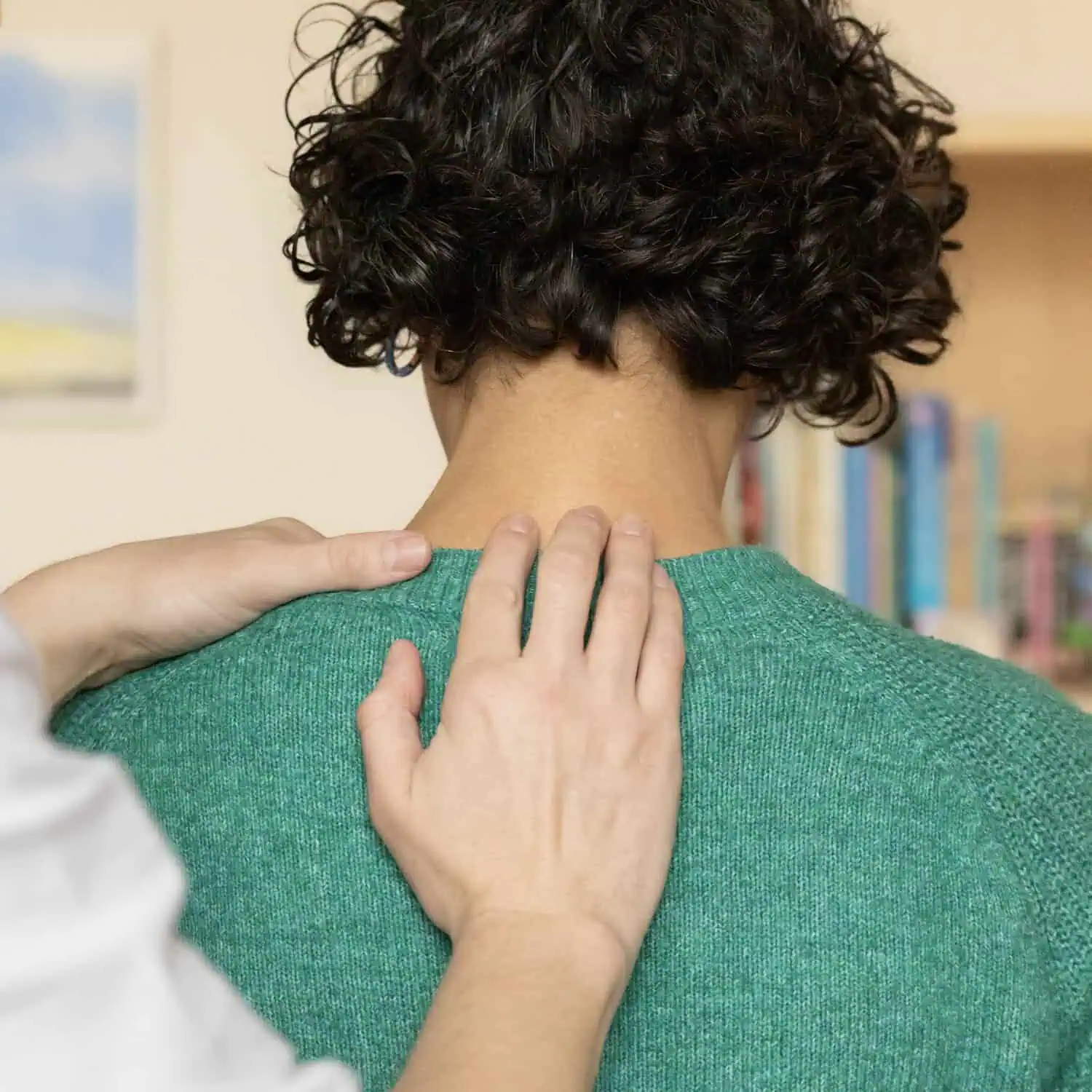
Osteopathic techniques, explained as we go and where appropriate, may include:
- Soft tissue techniques to reduce muscle tension
- Stretching techniques
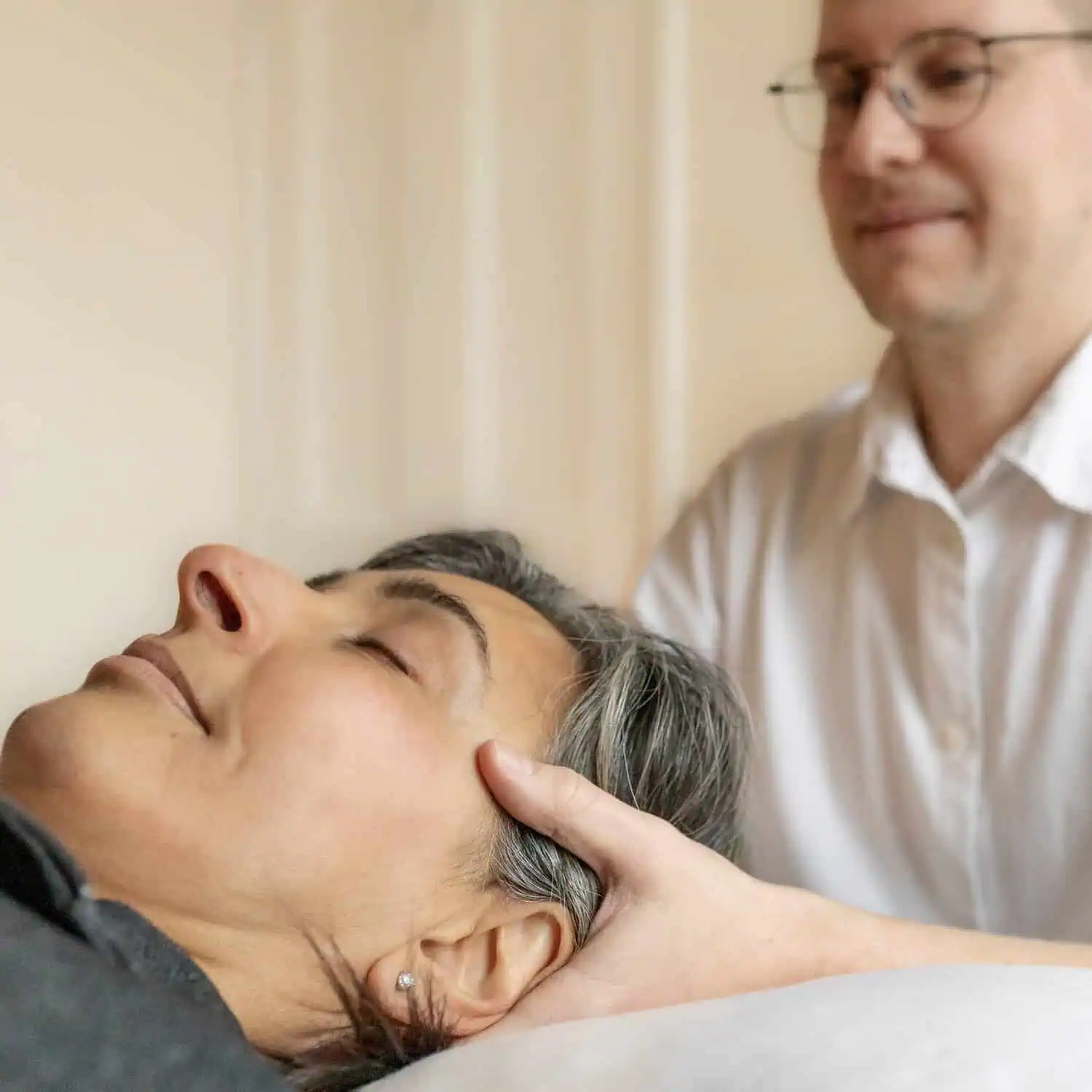
- Cranial osteopathy techniques to reduce tension patterns that contribute to pain
- Gentle mobilisation of stiff neck and shoulder joints
- Advice on posture, ergonomics and movement habits
- Targeted exercises to build strength and prevent recurrence
- Guidance on returning safely to work, exercise and daily activities
Why choose the Courtyard Osteopaths?
We have many years of experience helping people with neck pain throughout Bedminster, Southville and South Bristol. Our approach combines skilled hands-on techniques with clear explanations, practical advice and rehabilitation to help you achieve lasting improvement.
Patients choose us because we offer:
- Longer appointments that allow time to listen
- Careful movement based physical assessment and screening
- Clear explanation of working assessment and expectations
- GP or medical referral where appropriate
- Gentle and safe techniques suitable for all ages
- Expertise in cranial osteopathy
- Relevant advice and simple exercise programmes
- Realistic timelines
- Progress reviews each session
- Focus on long-term recovery, not just short-term relief
NECK PAIN FAQs
Frequently Asked
This depends on your symptoms and how long you've had them. Many patients notice improvement within the first few appointments, while longer-standing problems may benefit from a course of osteopathy combined with rehabilitation exercises.
Osteopathic techniques are very safe when provided by a registered osteopath. We always adapt the sessions to your individual condition and explain every technique before using it.
Tension in the neck, stiffness in the upper spine and jaw problems can all contribute to headaches. Helping these areas can often reduce headache frequency and intensity. See our headache and migraine page.
Where appropriate, we'll recommend simple exercises and practical advice to help improve movement, support recovery and reduce the likelihood of your symptoms returning.
There's no single right answer to this. NHS guidance suggests a low, firm pillow so your head is level with the rest of your body, and many side-sleepers are comfortable with a pillow that fills the gap between shoulder and head.
PRACTICAL ADVICE
- To reduce pain and swelling, use an ice pack (or bag of frozen peas) wrapped in a tea towel
- To relieve joint stiffness or muscle spasms, use a heat pack (or hot water bottle) wrapped in a tea towel
- Try doing some gentle exercises and stretches for neck pain: Dr Michael Rowe has some good ones, or try these NHS neck flexibility exercises. Stop if your pain gets worse and see your GP for advice
- Avoid wearing a neck collar (unless a doctor tells you to), especially if sitting for a long time
- Avoid cycling or driving if you cannot move your neck comfortably, as it could put you in danger
- Use a low, firm pillow and a firm mattress that supports your curves when you sleep on your side
- When sleeping, make sure your head is the same height as the rest of your body
- Sleeping on your front puts rotational strain through your neck and can aggravate it
Sources and further reading
Articles
READY WHEN YOU ARE
Ready to book a neck pain appointment?
Whether your symptoms are recent or long-standing, we will work with you to understand what's causing your pain and do our best to help.
Book today to arrange an assessment and take your first step towards pain relief.
Helping neck pain sufferers throughout Bedminster, Southville, Long Ashton and across the Bristol area.
Related: Headaches and migraine · Jaw tension and TMJ problems · Osteodontics · Shoulder pain · Book a neck pain assessment