
Assessment and Osteopathy for Foot & Ankle Pain in Bedminster, Bristol
We are trained to assess, diagnose and screen symptoms and are qualified to refer you to GP or other specialist if need be.

Has foot pain stopped you enjoying walking?
At the Courtyard Osteopaths, we regularly assess people with foot and ankle pain caused by injury, overuse, arthritis and everyday wear and tear. Our experienced osteopaths take time to understand not only where your pain is, but why it has developed, creating an osteopathic plan that's specific to your individual needs and lifestyle, including when your GP or a podiatrist should be involved.
COMMON SYMPTOMS
What does foot or ankle pain feel like?
- Heel pain, especially with your first steps in the morning
- Pain in the arch or ball of the foot
- Achilles tendon pain around the back of the heel or into the calf
- Pain or swelling around the ankle from a trip, twist or awkward landing
- Stiffness after resting
- Pain when walking or standing for long periods
- Ankle instability or a feeling that it may "give way"
- Reduced movement in the foot or ankle
- Pain that spreads into the calf or lower leg
- Persistent numbness or a lump, which needs a GP review
Whether your symptoms are recent, a flare-up or long-standing, we'll carry out a thorough assessment to understand what's contributing to your pain.
POSSIBLE CAUSES
What causes foot and ankle pain?
Your feet and ankles absorb thousands of steps every day, so it's not surprising that they can become painful for many different reasons. Common causes include:
- Heel pain
- Achilles tendon problems
- Ankle sprains to the ligaments
- Bursitis or irritation around the heel or ankle
- Osteoarthritis of the foot or ankle joints
- Flat feet or high arches
- Overuse from walking, running or sport
- Previous injuries that haven't fully recovered
- Muscle weakness or altered walking patterns
- Uneven load bearing from the knee or hip, or unsupportive footwear
Sometimes the foot itself isn't the whole story. The way your knees, hips and pelvis move can alter how forces are distributed through your feet, increasing strain over time. This is why we always assess the whole lower limb, including your gait, rather than focusing solely on the painful area, and screen for injuries that need an X-ray or medical assessment first.
Heel pain, ankle sprains and sports injuries
We regularly assess patients recovering from heel pain, ankle sprains, Achilles tendon problems and sports-related injuries.
Many people continue to experience pain long after an ankle sprain because the joint never fully regains its movement, strength or balance. Osteopathy focuses on restoring normal function and reducing the risk of repeated injuries.
For patients with heel pain, we aim to find out what caused it, reduce strain through the foot, improve flexibility and provide exercises that support long-term recovery. See our sports osteopathy page.
YOUR VISIT
How can osteopathy help foot and ankle pain?
Osteopathy considers how the feet, ankles, calves and legs work together, aiming to ease tension, improve mobility and make walking more comfortable.
At your first appointment, your osteopath will ask about your symptoms, when they started and how they affect your daily activities. They'll assess how your feet and ankles move and look at how your calves, knees, hips and lower back work together, as these can all influence the way you walk and move. They'll then explain their findings and discuss whether osteopathic care may be helpful, or whether further investigation or advice from your GP or another healthcare professional would be more appropriate.
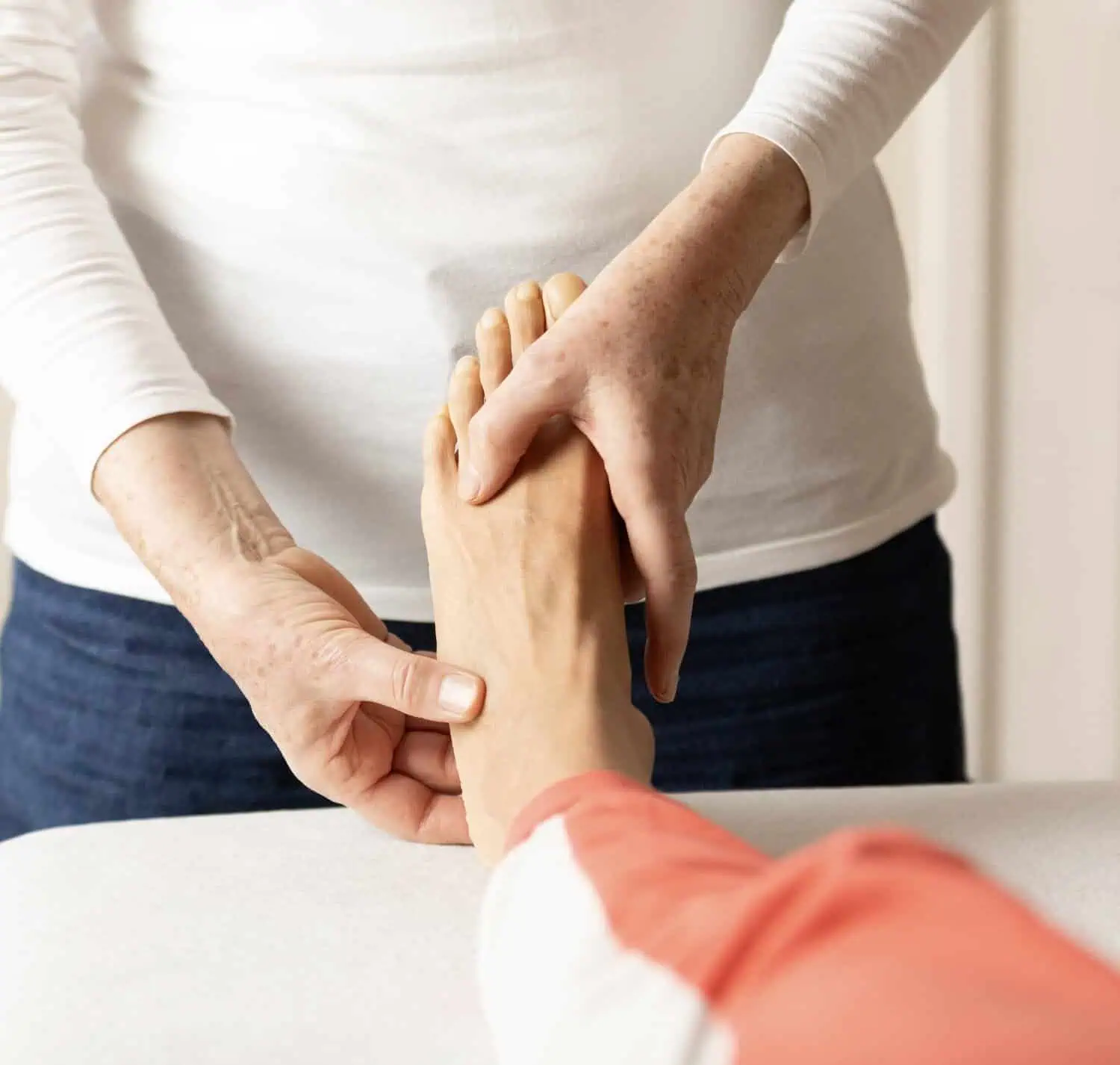
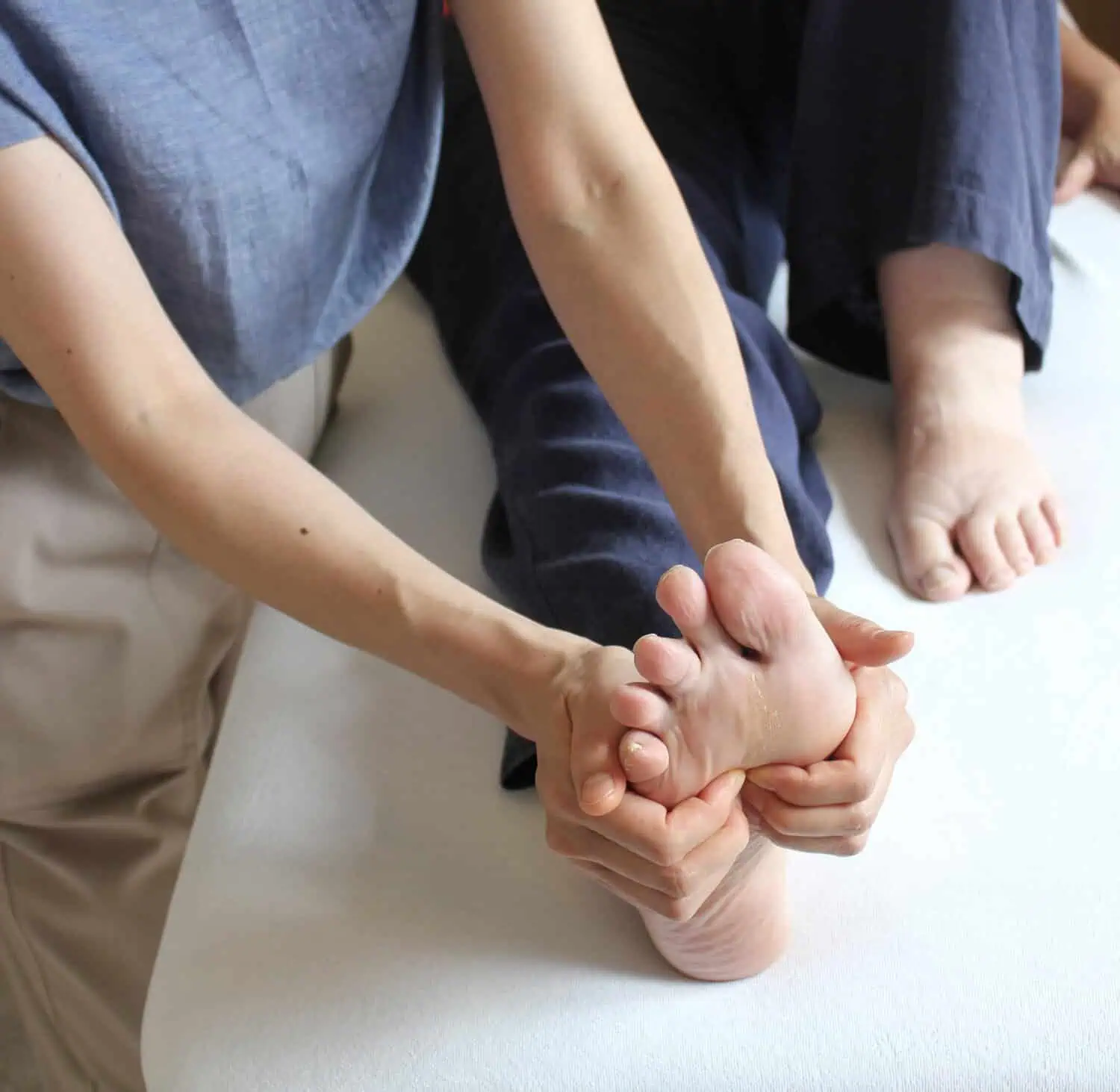
Osteopathic techniques, explained as we go and where appropriate, may include:
- Gentle mobilisation of the foot and ankle joints
- Soft tissue work to reduce muscle and tendon tension
- Stretching techniques for the calf muscles and the arch of the foot
- Cranial osteopathy
- Techniques to the knees, hips and pelvis where appropriate
- Exercises to improve strength, balance and flexibility
- Advice on footwear, walking and activity modification
- Rehabilitation to support long-term recovery
Every osteopathic plan is tailored to your symptoms, lifestyle and recovery goals.
Why choose the Courtyard Osteopaths?
Patients choose us because we offer:
- Longer appointments that allow time to listen
- Careful movement based physical assessment and screening
- Clear explanation of working assessment and expectations
- GP, podiatrist or medical referral where appropriate
- Gentle and safe techniques suitable for all ages and health conditions
- Expertise in cranial osteopathy
- Practical advice on footwear and activity
- Relevant advice and simple exercise programmes
- Realistic timelines
- Progress reviews each session
- Focus on long-term recovery, not just short-term relief
We believe successful osteopathy comes from understanding how your whole body moves, not focusing only on the painful foot or ankle.
FOOT AND ANKLE PAIN FAQs
Frequently Asked
If you can still walk on it and the ankle isn't badly deformed, the NHS advice is to:
- rest and raise your ankle when you can
- put an ice pack (or bag of frozen peas) wrapped in a towel on your ankle for up to 20 minutes every 2 to 3 hours
- wrap a bandage around your ankle to support it
- wear wide, comfortable shoes with a low heel and soft sole, or use soft insoles or heel pads in your shoes
- use painkillers such as paracetamol, ibuprofen gel or ibuprofen tablets if needed
Previous ankle injuries can leave lasting stiffness, weakness and reduced balance, increasing the likelihood of ongoing pain or repeated sprains. Recurrent 'giving way' after a sprain is common and usually relates to reduced strength and balance control rather than permanent damage. A graded strengthening and balance programme is the usual approach; we assess your ankle and build a plan with you. Persistent instability should also be discussed with your GP.
Current guidance generally favours staying active with a structured loading programme rather than complete rest. Our osteopathic assessment looks at the feet, ankles, calves, knees, hips, pelvis and low back for postural and load-bearing imbalances. Where appropriate, our sessions focus on improving foot, leg, pelvis and back mechanics to improve load bearing, through hands-on techniques and rehabilitation exercises.
We'll usually recommend exercises to improve strength, flexibility and balance, helping you continue your recovery between appointments.
Changes in the way your feet function can affect your knees, hips, pelvis and lower back. We'll assess how your whole lower body is moving to identify any contributing factors.
PRACTICAL ADVICE
- To reduce pain and swelling for a sprain or strain, use an ice pack (or bag of frozen peas) wrapped in a tea towel
- To relieve joint stiffness or muscle spasms, use a heat pack (or hot water bottle) wrapped in a tea towel
- Try doing some gentle exercises and stretches: Dr Michael Rowe has some good ones for ankle pain and foot pain, or try these NHS foot pain exercises. Stop if your pain gets worse and see your GP for advice
- For a period, choose supportive, cushioned shoes with a low heel and room for the toes for most of the day; keep dress shoes, flip-flops and heels for short occasions. Bring your usual shoes so we can look at fit and wear
- Staging activity after a sprain or Achilles flare: build up to shorter walks comfortably first, then increase your speed and distance, moving up a stage only when the current one is comfortable the next day
Sources and further reading
Articles
READY WHEN YOU ARE
Ready to book an ankle or foot pain assessment?
If foot or ankle pain is affecting your walking, work or sport, don't wait for it to get worse. We're here to help you return to the activities you enjoy around Bristol.
Helping ankle and foot pain sufferers throughout Bedminster, Southville, Long Ashton and across the Bristol area.
Related: Knee pain · Hip pain · Back pain · Book an ankle or foot pain appointment