Assessment and Osteopathy for TMJ, Jaw Pain Support and Osteodontics in Bedminster, Bristol
We are trained to assess, diagnose and screen symptoms and are qualified to refer you to GP or other specialist if need be.

Looking for an assessment and answers to jaw pain and TMJ problems? We're here to help.
Jaw pain can make everyday activities frustratingly difficult. Eating, talking, yawning or even smiling may become uncomfortable, while persistent jaw tension may contribute to headaches, neck pain and disturbed sleep.
At the Courtyard Osteopaths, we take a whole-person approach, looking not only at your jaw but also at your neck, posture and the surrounding muscles that may be contributing to your symptoms.
COMMON SYMPTOMS
What does jaw pain feel like?
TMJ problems (also called TMD) can present in many different ways. You may experience:
- Jaw pain or tenderness, often worse when chewing or under stress
- Clicking, popping or grinding when opening or closing your mouth
- Difficulty opening your mouth fully
- Jaw locking or catching
- Headaches, particularly around the temples
- Ear pain, ringing or a feeling of fullness
- Neck and shoulder tension
- Teeth grinding or jaw clenching (bruxism)
These symptoms may come and go, or gradually become more persistent over time.
POSSIBLE CAUSES
What causes jaw pain?
The jaw is closely connected to the muscles of the face, neck and upper back, so many different factors can contribute to jaw and TMJ problems. Common causes include:
- Teeth grinding (bruxism) or jaw clenching, often worse at night
- Increased stress often increases muscle tension and clenching
- Postural strains or anterior head position straining neck and jaw muscles
- Injury to the head, face or jaw
- Osteoarthritis affecting the jaw joint
- Uneven bite or recent dental work that has changed how your teeth meet
- Changes following facial or jaw surgery
Often there is more than one contributing factor. During your osteopathy assessment we'll look at how your jaw moves, examine the surrounding muscles and joints, and identify what may be driving your symptoms.
Our osteodontic service
Our osteodontic service combines our specialist osteopathic care with orthodontic care, working closely with Bristol's leading orthodontists. We are able to do initial assessments for jaw development, breathing patterns and structural issues that can affect dental alignment, and refer you to your GP or to orthodontists for further assessment. Our approach supports both children and adults through their orthodontic journey, potentially making orthodontic work more comfortable and effective.
YOUR VISIT
How can osteopathy help jaw pain?
Jaw pain and temporomandibular disorder (TMD: pain or dysfunction of the jaw joint and its muscles) are common symptoms, often linked to clenching, stress, posture and the neck, and usually improve over time.
We don't address TMD itself, dental disease or bite problems. What we can do is assess the associated muscular symptoms in the jaw and neck and use osteopathic techniques aimed at easing these. We also give self-management advice where appropriate, and are clear when a dentist or GP should be involved.
Following a detailed assessment, our aim is to reduce pain, improve jaw movement and restore comfortable function.
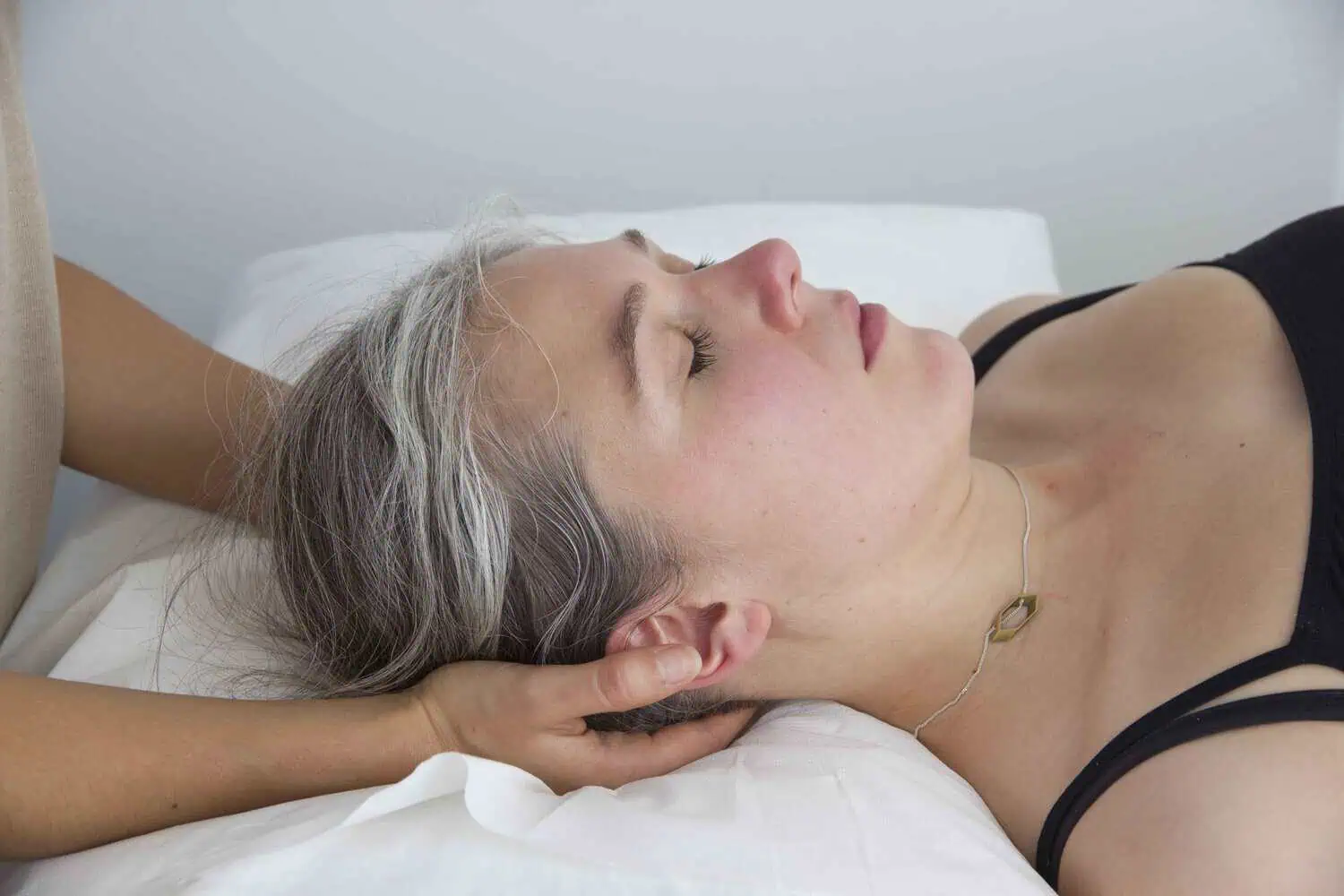
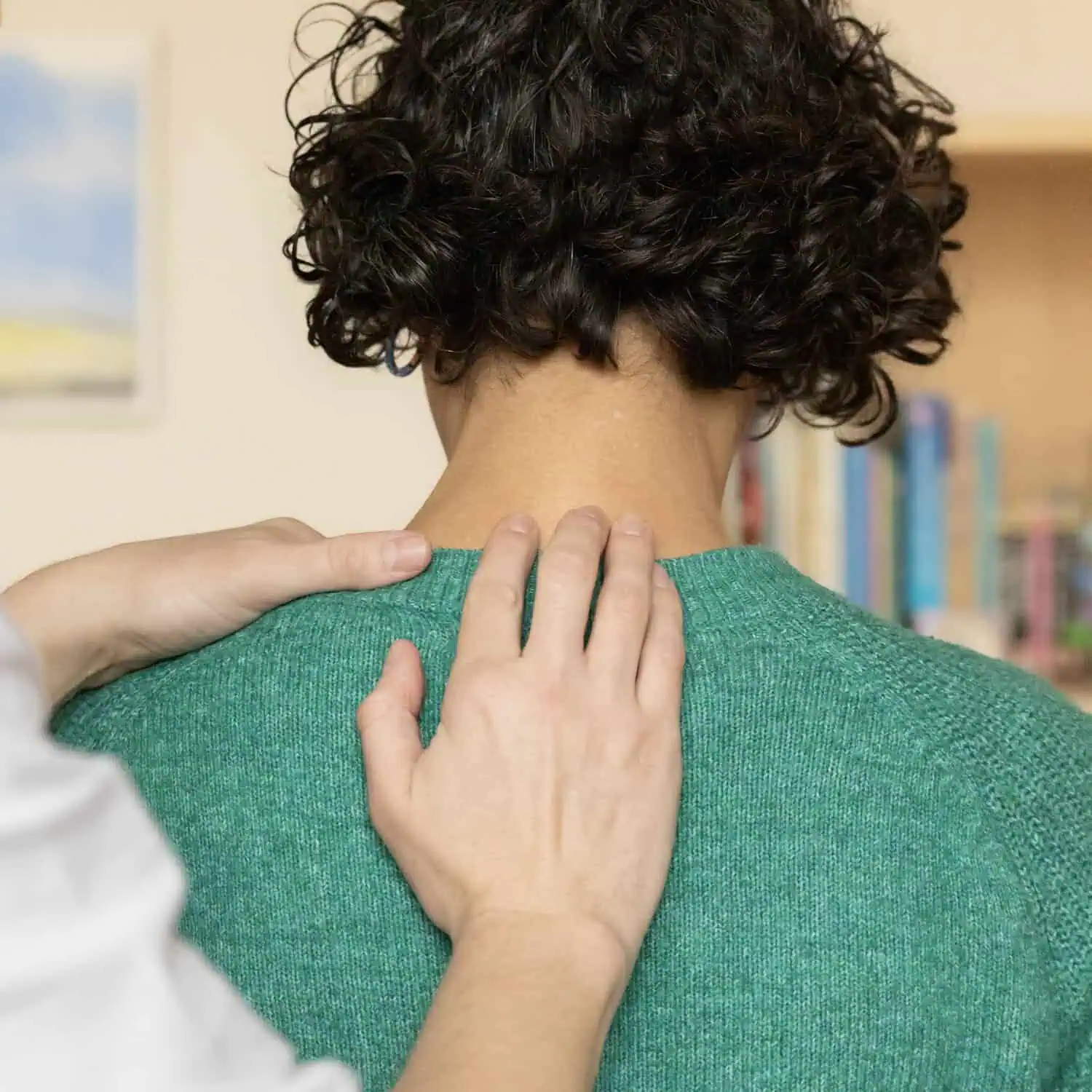
Osteopathic techniques, explained as we go and where appropriate, may include:
- Gentle release of jaw muscle tension
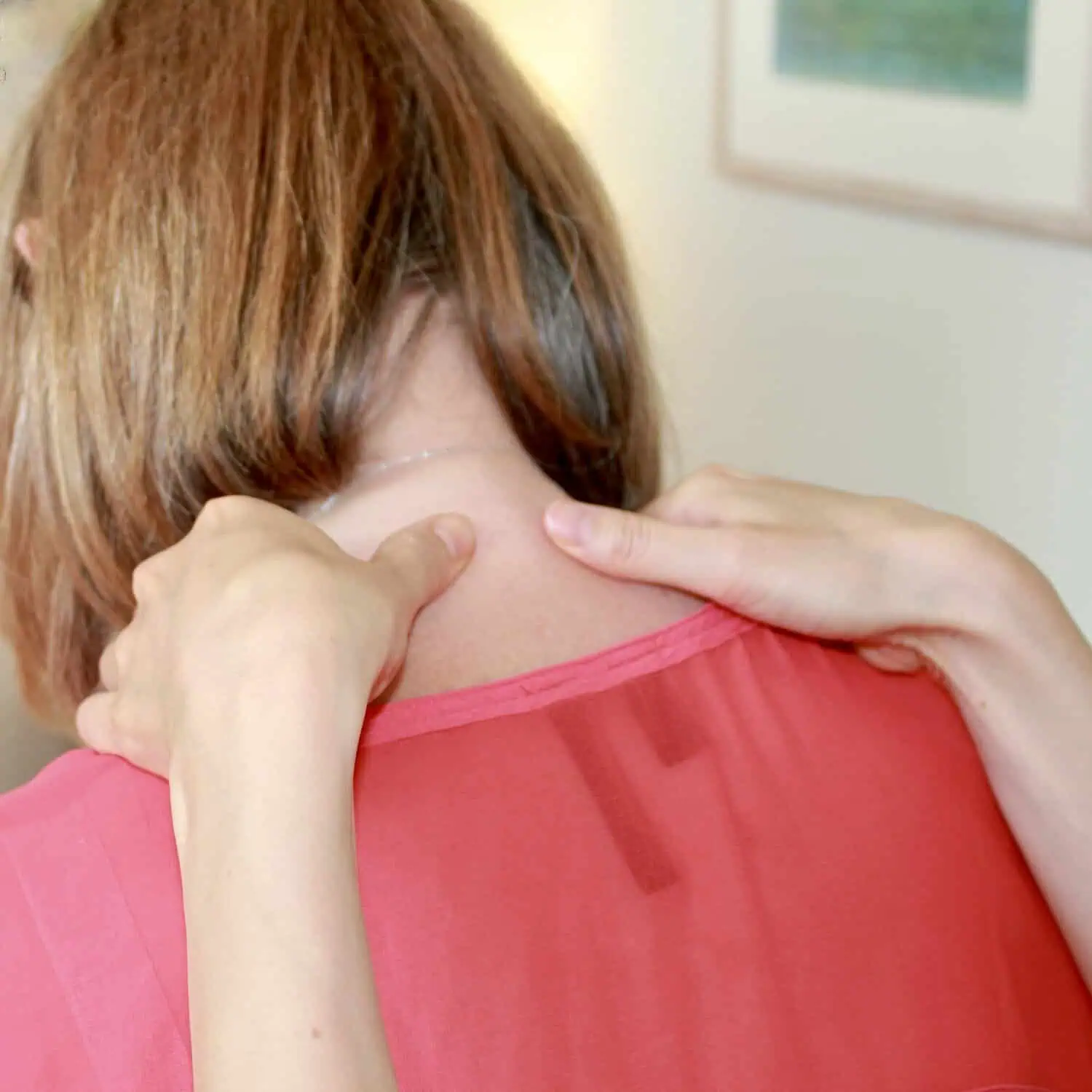
- Soft tissue techniques to the face, neck and shoulders
- Cranial osteopathy
- Gentle articulation of the neck, upper back and shoulders
- Advice to reduce jaw clenching and muscle tension
- Exercises to improve jaw movement and control
- Postural advice and self-management strategies
- With your consent, some work may be done with a gloved finger inside the mouth. You can stop at any point.
Because the jaw works closely with the neck and upper back, releasing these areas often plays an important role in reducing symptoms.
Why choose the Courtyard Osteopaths?
We have extensive experience and training helping with jaw pain, neck pain and headaches using a combination of structural and cranial osteopathic techniques.
Patients choose us because we offer:
- A whole-person approach to the musculoskeletal aspect of TMJ dysfunction
- Longer appointments that allow time to listen
- Careful movement based physical assessment and screening
- Clear explanation of working assessment and expectations
- Screening for anything that needs a dentist or doctor first, with excellent referral links to specialist orthodontists
- Gentle and safe techniques suitable for all ages and health conditions
- Expertise in cranial osteopathy
- Relevant advice and simple exercise programmes
- Realistic timelines
- Progress reviews each session
- Focus on long-term recovery, not just short-term relief
We believe success begins with understanding how your symptoms affect your everyday life, before working with you to improve comfort, movement and confidence.
JAW AND TMJ PAIN FAQs
Frequently Asked
We don't address the jaw disorder itself, dental disease or bite problems here. What we assess and, where appropriate, work with are the associated muscular symptoms in the jaw and neck and the posture and tension habits that may be feeding them. TMD usually improves over time with self-care and stress management.
See your dentist for toothache, signs of dental infection, a change in your bite, or if grinding and a night guard may be relevant.
See your GP if jaw symptoms are persistent or severe.
The NHS advises urgent GP or 111 contact if you can't eat or drink, your jaw is locking or you can't open your mouth fully, you have frequent severe headaches, pain or tenderness at the side of the head or scalp, or vision problems.
Jaw clicking is often associated with altered movement of the TMJ. Although osteopathy cannot guarantee that clicking will disappear completely, many people find that osteopathic techniques aimed at reducing muscle tension and improving jaw movement make the jaw feel more comfortable and function more easily.
Osteopathy cannot stop teeth grinding directly, but it can help reduce muscle tension, improve jaw function and address some of the factors that contribute to clenching. We may also recommend working alongside your dentist or orthodontist if a night guard is appropriate.
We use gentle osteopathic techniques adapted to your symptoms. We'll explain our plan before the hands-on techniques begin and work within your comfort and consent at all times. For intra-oral work we use a gloved finger, work for short periods of time and stop the moment you want us to.
This depends on your symptoms and how long you've had them. Some patients notice improvement within a few sessions, while longer-standing problems may benefit from a course of care combined with exercises and self-management advice or support from a dentist or orthodontist.
That doesn't mean we can't help. Please get in touch and we'll be happy to advise.
PRACTICAL ADVICE
- To reduce pain and swelling and numb sharp pain, use an ice pack (or bag of frozen peas) wrapped in a tea towel for 15 to 20 minutes
- To relieve tight muscles, use a warm compress or heat pack (or hot water bottle) wrapped in a damp towel
- Massage jaw muscles: gently rub the large chewing muscles (masseter) along your cheek and temples in circular motions to release tension
- Practise relaxed opening:
- While keeping your tongue on the roof of your mouth, slowly open and close your mouth, making sure your jaw moves in a straight line without forcing a wide yawn
- Move your jaw gently from side to side
- Resist your chin with your hand while gently opening your mouth
- Try doing some gentle exercises and stretches for jaw pain: Dr Michael Rowe has some good ones. Stop if your pain gets worse and see your dentist or GP for advice
- Eat soft foods: choose items like soup, pasta and mashed potatoes to reduce jaw strain. Avoid hard, crunchy or chewy foods
- Cut food up: slice your meals into small, bite-sized portions
- Keep teeth apart: rest your jaw with your teeth slightly separated and your tongue resting gently on the roof of your mouth
- Avoid bad habits: stop chewing gum, biting your nails or clenching your teeth
Sources and further reading
Articles
READY WHEN YOU ARE
Ready to book a jaw pain assessment?
If jaw pain is stopping you doing the things you enjoy, don't wait for it to get worse. We're here to help you return to the activities you enjoy around Bristol.
Helping jaw pain sufferers throughout Bedminster, Southville, Windmill Hill and across the Bristol area.
Related: Neck pain · Headaches and migraine · Osteodontics · Book a jaw pain assessment