
Assessment and Osteopathy for Sciatic Pain in Bedminster, Bristol
We are trained to assess, diagnose and screen symptoms and are qualified to refer you to GP or other specialist if need be.

Looking for answers to your sciatica?
At the Courtyard Osteopaths, we regularly help people manage sciatica with safe, gentle techniques and advice that focuses on easing pain, improving mobility and tackling the root cause. We'll give you an honest picture at your first visit, and refer onward if osteopathic care doesn't look appropriate for your situation.
COMMON SYMPTOMS
What does sciatica feel like?
Sciatica can be one of the most uncomfortable and limiting conditions we see. The pain often starts in the lower back or buttock before travelling down the leg, along the path of the sciatic nerve, making it uncomfortable to sit, walk, drive or even sleep. For some people it feels like a sharp, shooting pain, while others experience burning, tingling or numbness.
- Pain that travels from the lower back or buttock into the thigh, calf or foot
- Sharp, shooting or electric shock-like pain
- Burning or aching in the leg
- Tingling or pins and needles
- Numbness in parts of the leg or foot
- Muscle weakness in the leg or foot
- Pain that becomes worse after prolonged sitting, bending, coughing or sneezing
- Difficulty walking comfortably
Although sciatica usually affects one side of the body, the severity of symptoms varies considerably from person to person.
POSSIBLE CAUSES
What causes sciatica?
Sciatica occurs when the sciatic nerve becomes irritated or compressed. Common causes include:
- Inflammation around the sciatic nerve
- Spinal wear and tear (osteoarthritis or degenerative changes)
- Tight muscles in the lower back or buttocks
- A disc bulge, herniation or prolapse
- Age-related changes within the spine
- Pregnancy-related changes in posture and weight
- Prolonged sitting or repetitive strain
Your osteopath will work to identify the cause and create an osteopathic plan tailored to your needs.
When should you seek help?
Early assessment often helps prevent symptoms becoming more persistent. If you've recently developed pain travelling into your leg, or your symptoms are affecting work, sleep or everyday activities, it's worth seeking advice sooner rather than later. We are trained in neurological testing which helps our diagnosis of conditions and will refer onward if osteopathic care doesn't look appropriate for your situation.
Sciatica can be associated with more serious conditions. If you experience changes to bladder or bowel function, numbness around the saddle area, or rapidly worsening weakness in both legs, you should seek urgent medical attention immediately.
YOUR VISIT
How can osteopathy help sciatica?
Sciatica describes pain caused by irritation or compression of the sciatic nerve, the largest nerve in the body. Rather than being a diagnosis itself, it is a symptom of an underlying problem, most commonly affecting one leg.
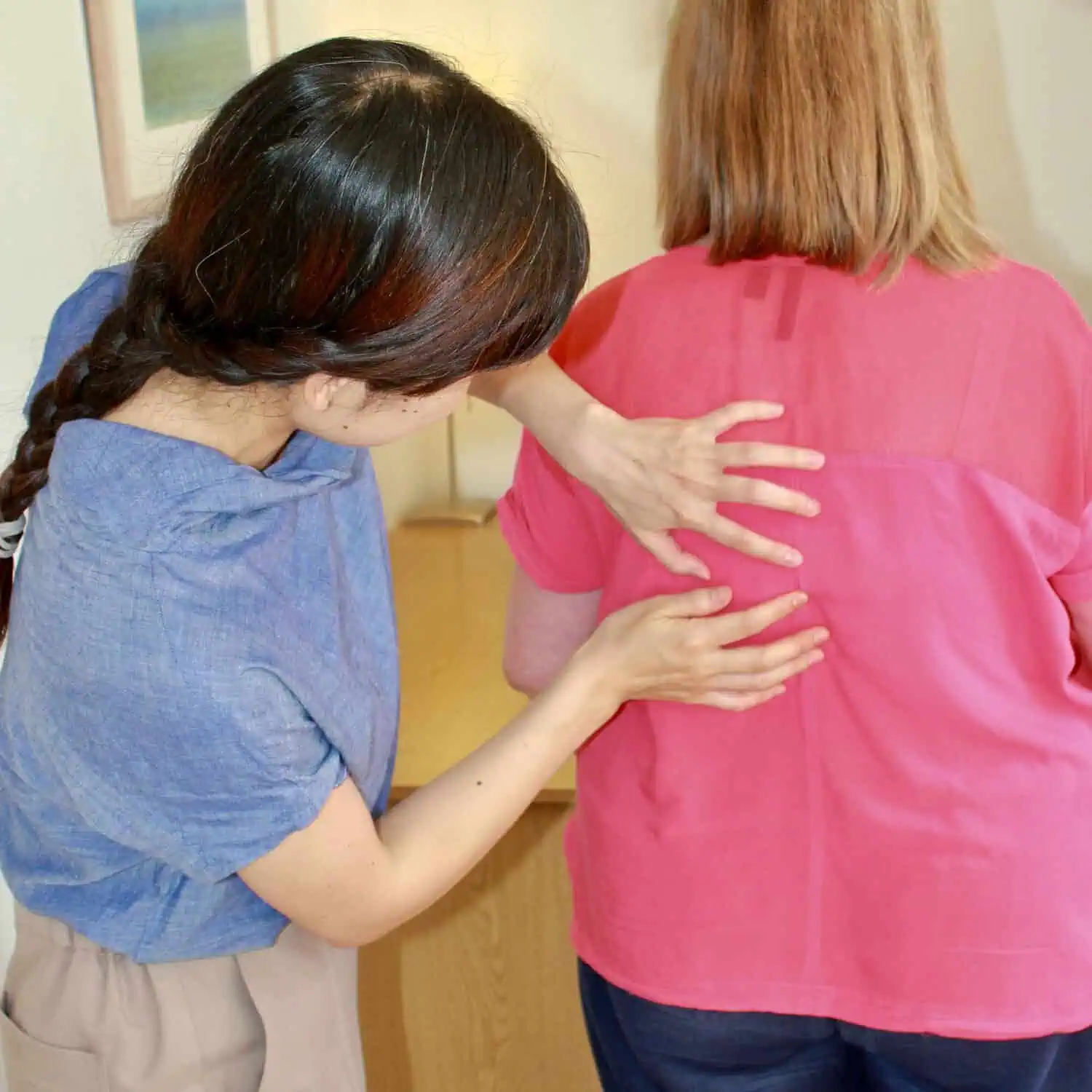
At your first appointment, your osteopath will ask about your symptoms, including any pain, tingling or numbness travelling into your low back, buttock or leg. They will explore when the symptoms began, what makes them better or worse, and how they affect your daily activities. Your assessment will include your lower back, pelvis, hips and legs, along with some simple movement and nerve-related tests where appropriate. They will explain their findings and discuss whether osteopathic care may be helpful, or whether further investigation or advice from your GP is needed.
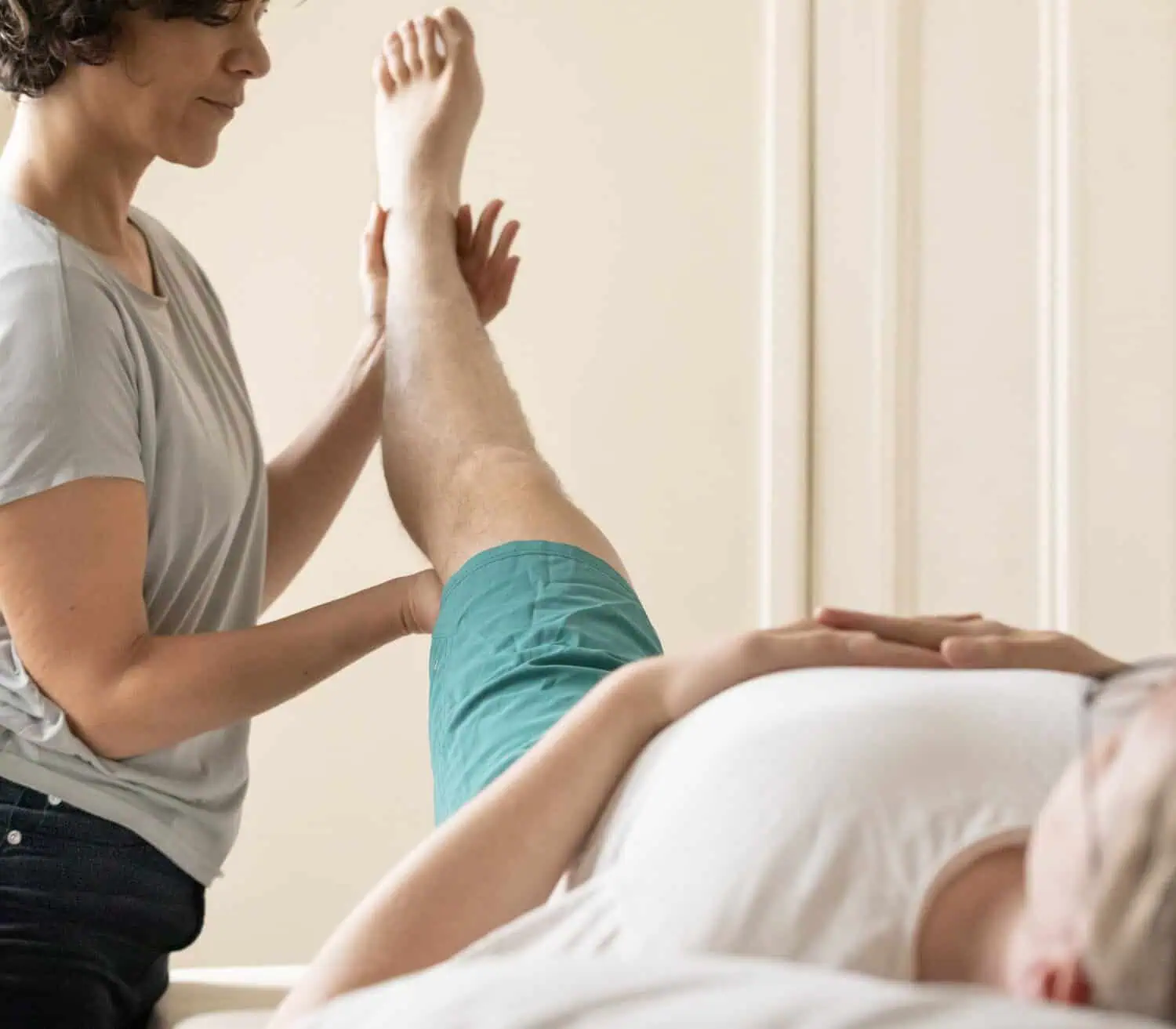
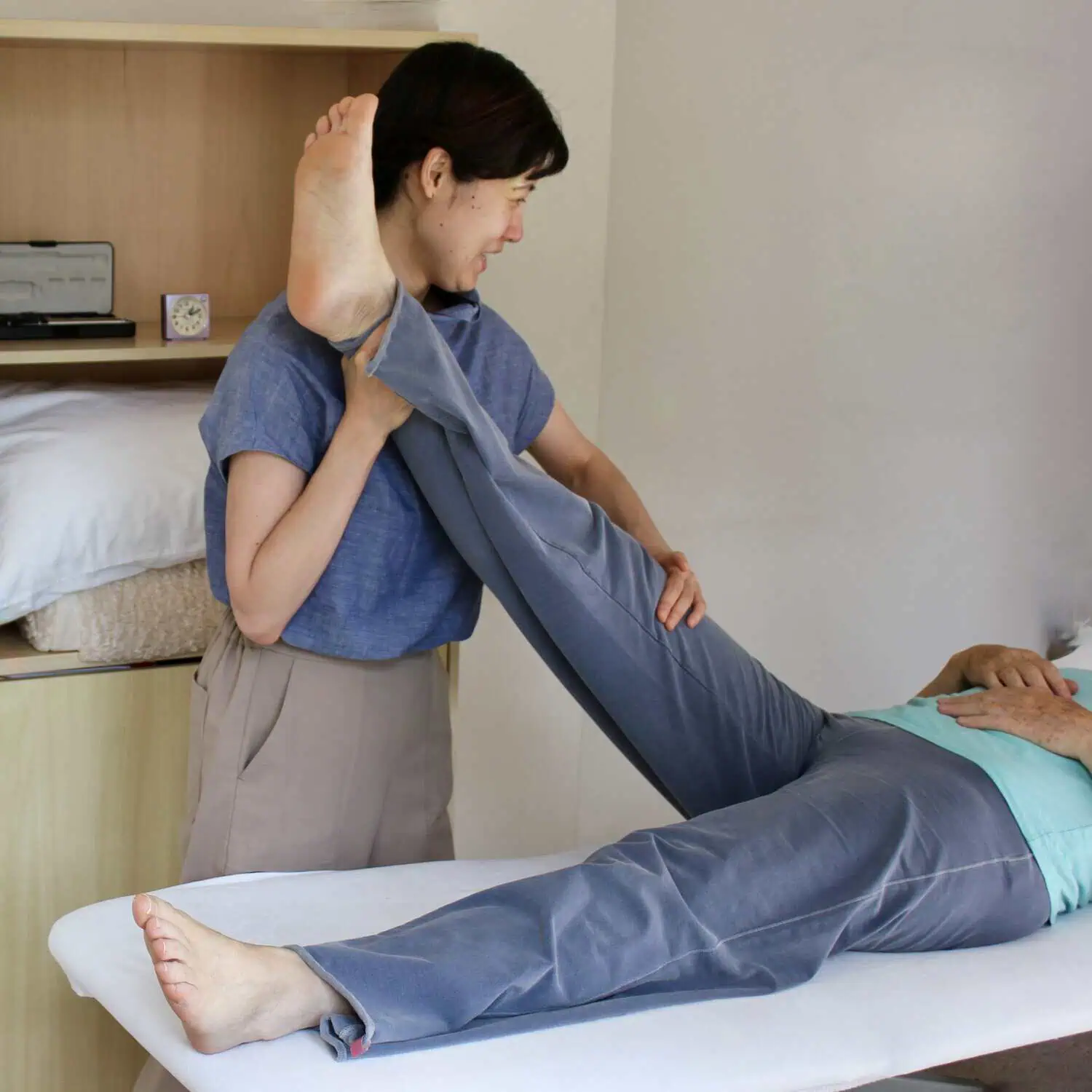
Osteopathic techniques, explained as we go and where appropriate, may include:
- Gentle mobilisation of stiff spinal and pelvic joints
- Soft tissue techniques to reduce muscle tension
- Joint articulation or manipulation where appropriate
- Stretching techniques to reduce pressure on the sciatic nerve
- Cranial osteopathy techniques to reduce tension patterns that contribute to pain
- Advice on posture, ergonomics and movement habits
- Targeted exercises to build strength and prevent recurrence
- Guidance on returning safely to work, exercise and daily activities
Osteopathic techniques are always adapted to your symptoms and comfort. We explain everything we do and work with you at a pace that feels right.
Why choose the Courtyard Osteopaths?
Our osteopaths have many years of experience and training helping people with back pain, sciatica and other musculoskeletal conditions.
Patients choose us because we offer:
- Longer appointments that allow time to listen
- Careful movement based physical assessment and screening
- Clear explanation of working assessment and expectations
- GP or medical referral where appropriate
- Gentle and safe techniques suitable for all ages and health conditions
- Expertise in cranial osteopathy
- Relevant advice and simple exercise programmes
- Realistic timelines
- Progress reviews each session
- Focus on long-term recovery, not just short-term relief
We believe understanding your condition is just as important as helping it, so we'll always explain what we think is happening and involve you in planning your recovery.
SCIATICA FAQs
Frequently Asked
Some people improve within a few weeks, while others may need ongoing support depending on the cause and whether the sciatica is linked to a back pain or disc problem.
We adapt our gentle osteopathic techniques to keep sessions safe and comfortable when working with musculoskeletal issues, even with disc problems.
We usually recommend a combination of both. Gentle movement within your comfort zone usually helps recovery, but if any movement is significantly painful or you have red-flag symptoms, seek medical advice first.
Not usually at first. Sciatica is often assessed clinically. Imaging may be suggested by your GP if your symptoms are severe or persistent, or if there are neurological features that would change the management plan. Your osteopath will guide you through appropriate gentle stretches and strengthening exercises to support recovery.
Most cases of sciatica improve without surgery. Conservative care, including osteopathy, exercise and self-management, helps many people. However, if your symptoms are severe and we think further investigations or a specialist referral are appropriate, we'll discuss this with you.
PRACTICAL ADVICE
- Carry on with your normal activities as much as possible
- Heat packs or a hot water bottle wrapped in a towel can ease the painful areas
- Start gentle exercise as soon as you can; anything that gets you moving can help
- Try doing some gentle exercises and stretches for sciatic pain: Dr Michael Rowe has some good ones, or try these NHS exercises for sciatica. Stop if your pain gets worse and see your GP for advice
- Ask a pharmacist about painkillers (paracetamol is unlikely to help and it's not clear how much NSAIDs, such as ibuprofen, help with sciatica)
Sources and further reading
Articles
READY WHEN YOU ARE
Ready to book a sciatica pain appointment?
If you're experiencing sciatica, our experienced osteopaths are here to help you understand what's causing your symptoms and help you back towards comfortable movement and everyday activities.
Book today to arrange an assessment and take your first step towards pain relief.
Helping sciatica sufferers throughout Bedminster, Southville, Windmill Hill and across the Bristol area.
Related: Back pain · Hip pain, or is it the back? · Sports-related back pain · Back pain in pregnancy · Book a sciatica assessment