
Assessment and Osteopathy for Back Pain in Bedminster, Bristol
We are trained to assess, diagnose and screen symptoms and are qualified to refer you to GP or other specialist if need be.

Fed up with your back letting you down?
At the Courtyard Osteopaths, we understand how frustrating back pain can be. Our experienced osteopaths take the time to understand not only where your pain is, but why it has developed. We provide thorough assessments, hands-on osteopathic techniques and practical advice to help you move more comfortably, recover with confidence and reduce the likelihood of future problems.
COMMON SYMPTOMS
What does back pain feel like?
- A dull constant ache in your back
- Sudden sharp stabbing pain when bending or twisting
- Muscle spasms or a feeling that your back has "locked"
- Pain travelling into the buttock or down the leg (sciatica)
- Stiffness after sitting, standing or driving
- Pain that limits walking, exercise or sleep
Do any of these symptoms sound familiar? If so, osteopathy could be the right choice for you.
POSSIBLE CAUSES
What causes back pain?
- Mechanical strain – lifting, twisting, awkward movements
- Muscle or ligament strain
- Poor posture at work, home or whilst driving
- Weak or tight spinal and core muscles
- Stress and tension held in the muscles
- Minor sports injuries or lifting awkwardly
- Sciatica related problems
- Arthritis and age-related spinal changes
- Pregnancy-related back pain
- Previous injuries
Our osteopaths will take the time to understand what's behind your pain, so the techniques and plan address more than just the painful area.
Acute back pain
Some people develop back pain suddenly after an awkward movement, while others have pain that has gradually built up over months or years.
For acute back pain, our aim is to reduce pain, restore movement and help you return to normal activities safely.
Persistent back pain
For persistent or recurring back pain, osteopathy often involves understanding the wider factors influencing pain, including movement habits, stress, sleep and confidence in movement.
We work collaboratively with you to develop a realistic plan that supports long-term recovery rather than focusing only on flare-ups.
Could my back pain be sciatica?
If the pain travels down the leg, it may be linked to the sciatic nerve. We'll assess what's causing your discomfort and create an osteopathic plan for you. Explore our sciatica page.
YOUR VISIT
How can osteopathy help back pain?
Osteopathic care for back pain may include gentle hands-on techniques, movement advice and exercises to help ease discomfort, reduce stiffness and improve how your back moves.
At your first appointment, your osteopath will ask about your symptoms, when they started and how they affect your everyday life. They will assess your back, looking at how your spine, pelvis, hips and surrounding muscles are working together, and consider whether other factors may be contributing to your discomfort. They will explain their findings and discuss whether osteopathic care is appropriate, or whether further investigation or advice from your GP would be recommended.
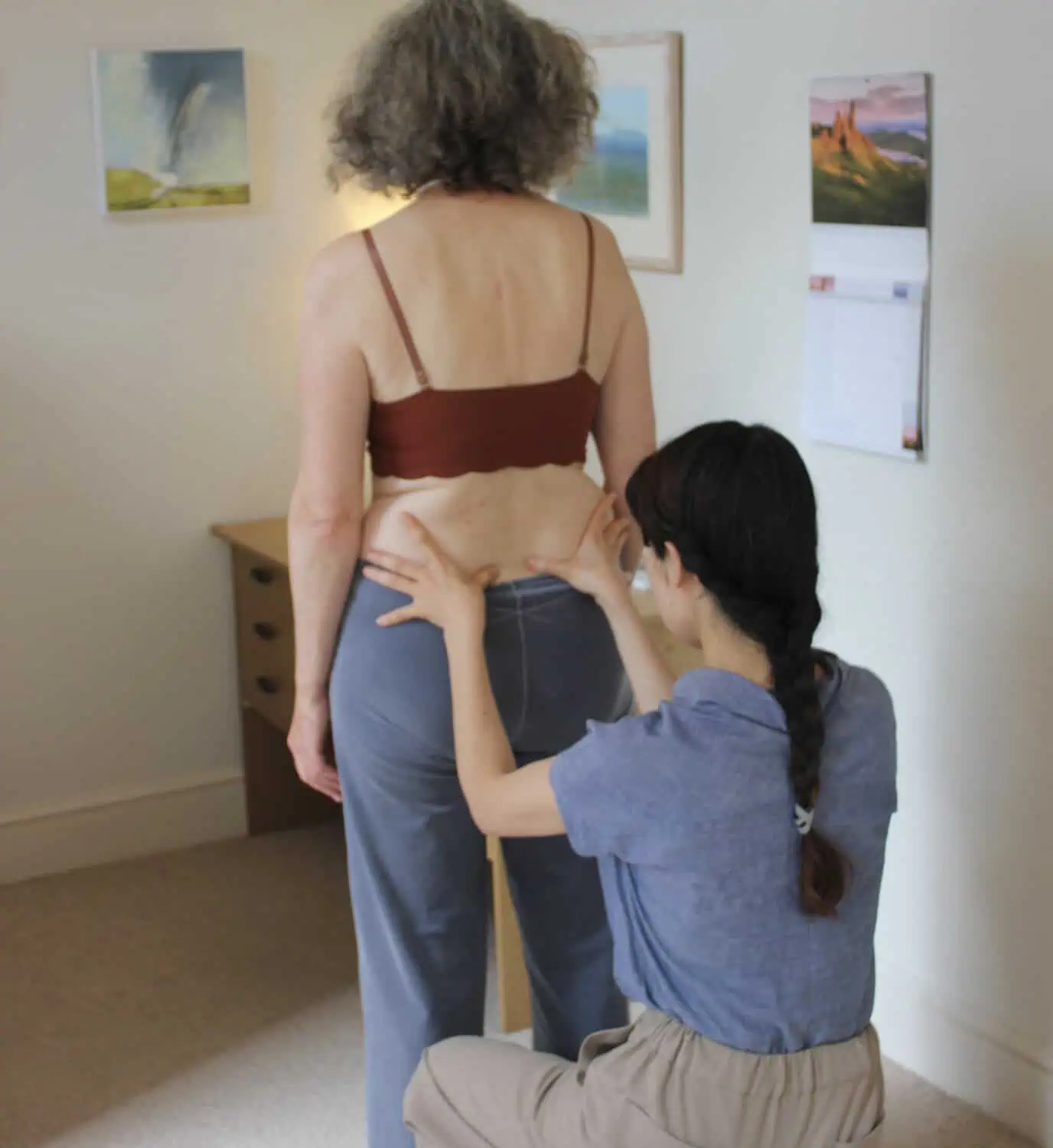

Osteopathic techniques, explained as we go and where appropriate, may include:
- Gentle joint mobilisation and articulation
- Soft tissue massage to release tight or protective muscles
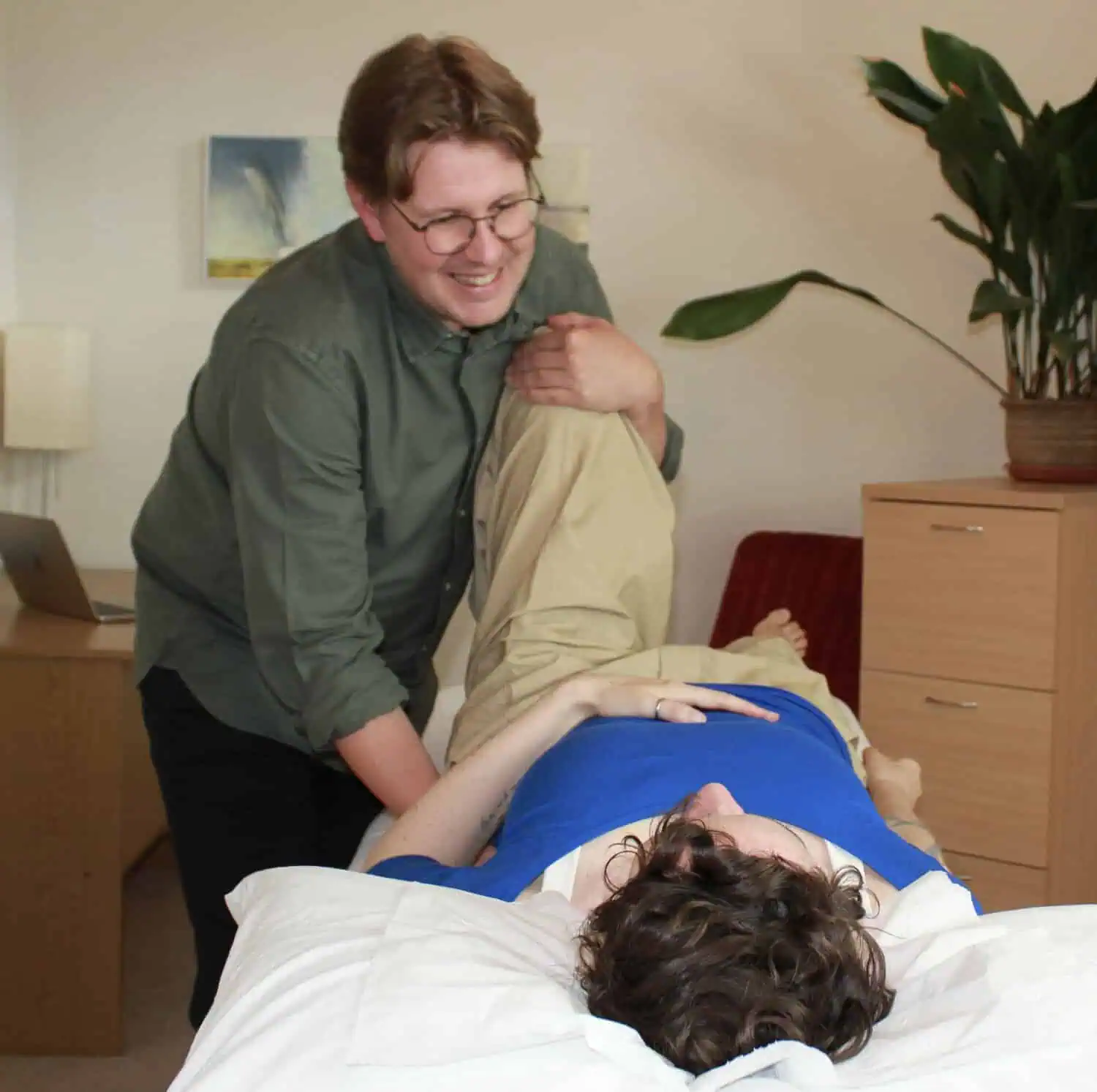
- Manipulation where appropriate
- Stretching techniques to ease stiffness
- Exercises to build strength and support long term recovery
- Cranial osteopathy where indicated
- Advice on posture, lifting, workstations and daily activities
Our aim is not only to ease your pain but to give you the tools to help prevent it returning.
Why choose the Courtyard Osteopaths?
Our clinic has been caring for patients across Bristol for over 30 years. We combine evidence-informed osteopathy with a friendly, professional, patient-centred approach.
Patients choose us because we offer:
- Longer appointments that allow time to listen
- Careful movement based physical assessment and screening
- Clear explanation of working assessment and expectations
- GP or medical referral where appropriate
- Gentle and safe techniques suitable for all ages
- Expertise in cranial osteopathy
- Relevant advice and simple exercise programmes
- Realistic timelines
- Progress reviews each session
- Focus on long-term recovery, not just short-term relief
BACK PAIN FAQs
Frequently Asked
Every case is different. Uncomplicated low back pain may improve over a few weeks, particularly with gentle movement and staying active; long-standing pain often takes longer. We'll discuss our realistic expectations after your assessment rather than give you a fixed number of sessions.
Osteopathy may help some people with sciatica type symptoms, depending on the individual presentation. At your first visit we'll take a careful history, examine you, and be honest about whether osteopathic care looks appropriate. We will refer you to your GP or another healthcare professional if it doesn't. See our sciatica page.
We always adapt techniques to suit your health needs and keep our sessions safe and comfortable. Osteopathy may help some people manage comfort and keep moving when combined with exercise and the other core care recommended by your GP. Responses vary and we'll be honest about what's realistic for you.
Not usually in the early stages unless there are red-flag symptoms or your GP advises it. Imaging often shows changes that aren't the source of pain and can cause unnecessary worry. If your assessment suggests a scan is needed, we'll say so and liaise with your GP.
PRACTICAL ADVICE
- Stay active and try to continue with your daily activities
- Try doing some gentle exercises and stretches for back pain: Dr Michael Rowe has some good ones. Stop if your pain gets worse and see your GP for advice
- To reduce pain and swelling, use an ice pack (or bag of frozen peas) wrapped in a tea towel
- To relieve joint stiffness or muscle spasms, use a heat pack (or hot water bottle) wrapped in a tea towel
- Take anti-inflammatory medicine like ibuprofen (these may not be suitable for everyone) – paracetamol on its own is not recommended for back pain but it may be used with another painkiller
- Check with a pharmacist or GP if you're unsure about which painkiller is suitable for you
Sources and further reading
Articles
READY WHEN YOU ARE
Ready to feel better? Book a back pain appointment
If back pain is stopping you doing the things you enjoy, don't wait for it to get worse. We're here to help you return to the activities you enjoy around Bristol.
Book today to arrange an assessment and take your first step towards pain relief.
Helping back pain sufferers throughout Bedminster, Southville, Long Ashton and across the Bristol area.
Related: Sciatica: when back pain travels down the leg · Hip pain, or is it the back? · Sports-related back pain · Back pain in pregnancy · Book a back pain assessment