
Assessment and Osteopathy for Headache Pain in Bedminster, Bristol
We are trained to assess, diagnose and screen symptoms and are qualified to refer you to GP or other specialist if need be.

Wondering why your headaches keep coming back?
At the Courtyard Osteopaths, we understand that headaches are rarely just about the head. Tension in the neck, shoulders and jaw, poor posture, stress and changes in the way your body moves can all contribute to recurring symptoms. Our experienced osteopaths take time to understand your headaches, identify the factors that may be contributing to them, and create an osteopathic plan adapted specifically to you.
COMMON SYMPTOMS
What do tension headaches feel like?
- A dull ache or pressure around the head, face or neck
- Tightness across the forehead, around the temples or behind the eyes
- Headaches that begin at the base of the skull in the neck or shoulders
- Increased jaw tension or teeth clenching
- Sensitivity to light or sound
- Nausea
- Neck stiffness alongside headaches
- Headaches that worsen after prolonged computer work or stress
- Disturbed sleep due to neck discomfort
Do your headaches often seem to start when your neck or shoulders feel tight? Does your headache tend to appear after a busy or stressful day?
These patterns can be useful when assessing your symptoms.
POSSIBLE CAUSES
What causes tension headaches?
- Muscle tension in the neck and shoulders often leads to tension headaches
- Referred pain from joints and muscles in the upper neck (cervicogenic)
- Sustained screen and phone postures (the 'tech neck' position)
- Stress-related jaw clenching and upper-trap tension
- Previous neck injury, including after a road traffic collision
- Poor sleep position or unsuitable pillow
- Dehydration, eye strain or other lifestyle triggers stacked on a neck-related baseline
- Low blood sugar from fasting or irregular eating habits can induce a headache
- Drinking too much alcohol or experiencing sudden caffeine withdrawal alters blood flow
- Bright lights, loud noises or strong smells (like perfumes) can provoke sensitivity headaches
Common types of headaches
Tension headaches are associated with the joints and muscles of the upper neck (often called cervicogenic headaches), and osteopathic assessment and care may be appropriate for some people with this type.
- Tension headaches, originating from the neck joints and muscles (cervicogenic)
- Headaches associated with the jaw
- Postural headaches related to desk work or prolonged screen use
- Headaches associated with muscle tension and stress
- Sinus headaches
More serious types of headaches
Migraine and other headache patterns need appropriate diagnosis and management, so please speak to your GP. We can assess associated neck symptoms where suitable. We take a careful history, screen for anything that needs medical attention, and are honest about whether osteopathic care looks appropriate.
Headaches, jaw tension and teeth grinding
Jaw clenching and teeth grinding can sometimes contribute to tension around the jaw, temples and face. Some people also notice that their neck and shoulders become tense at the same time.
If you experience headaches alongside jaw pain, clicking or stiffness, an osteopath may be able to assess the musculoskeletal factors involved. Depending on your symptoms, your dentist or GP may also be an important part of your care.
Explore our TMJ and jaw pain page.
NHS information:
Every headache is different, which is why a thorough assessment is an important part of your first appointment.
YOUR VISIT
How can osteopathy help headache pain?
We take a careful history to distinguish neck-related headache from migraine, cluster headache and warning-sign patterns that need medical input, and only offer osteopathic care where it looks appropriate.
Osteopathy aims to reduce the physical factors contributing to headaches while helping your body move and function more comfortably.
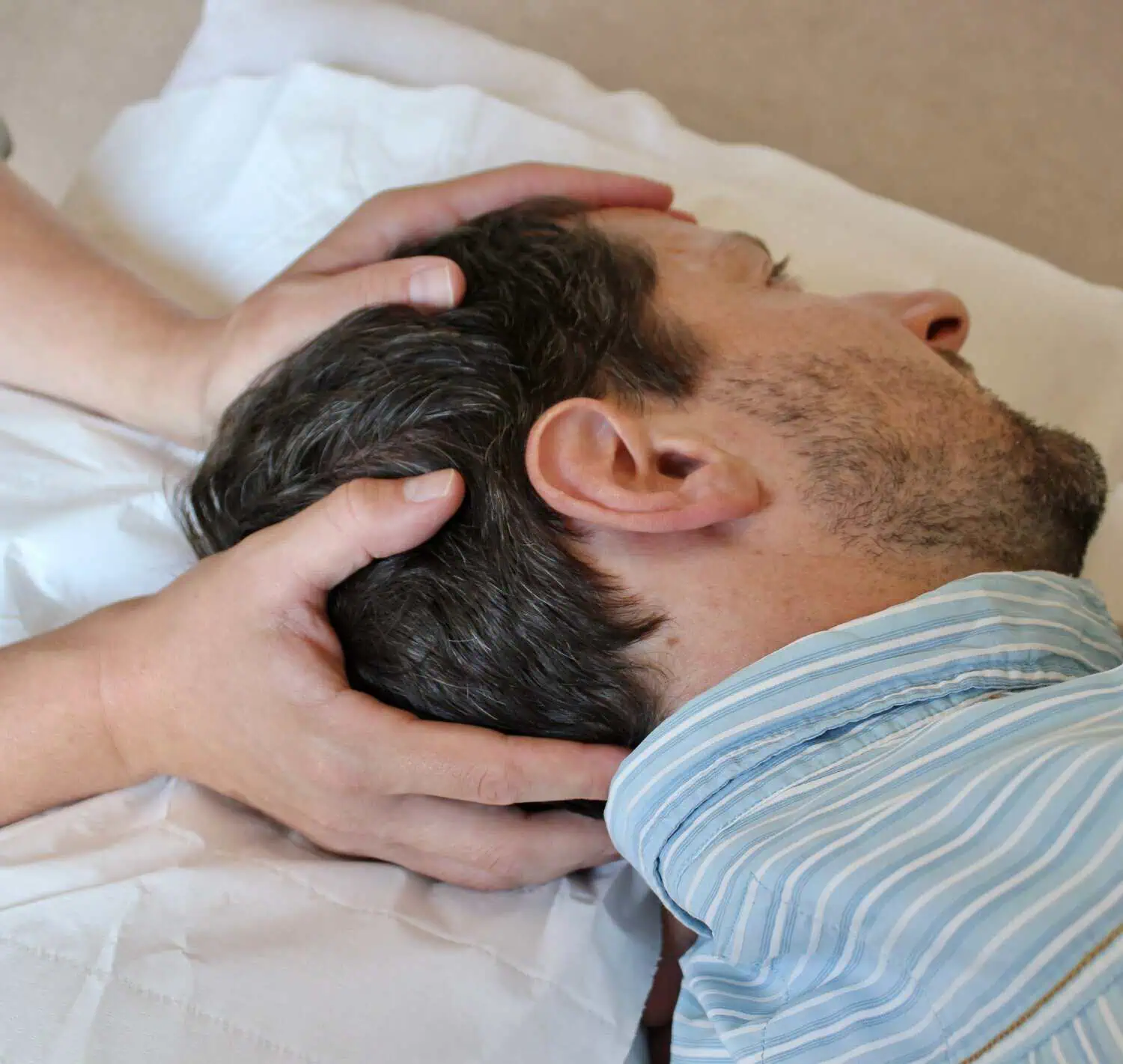
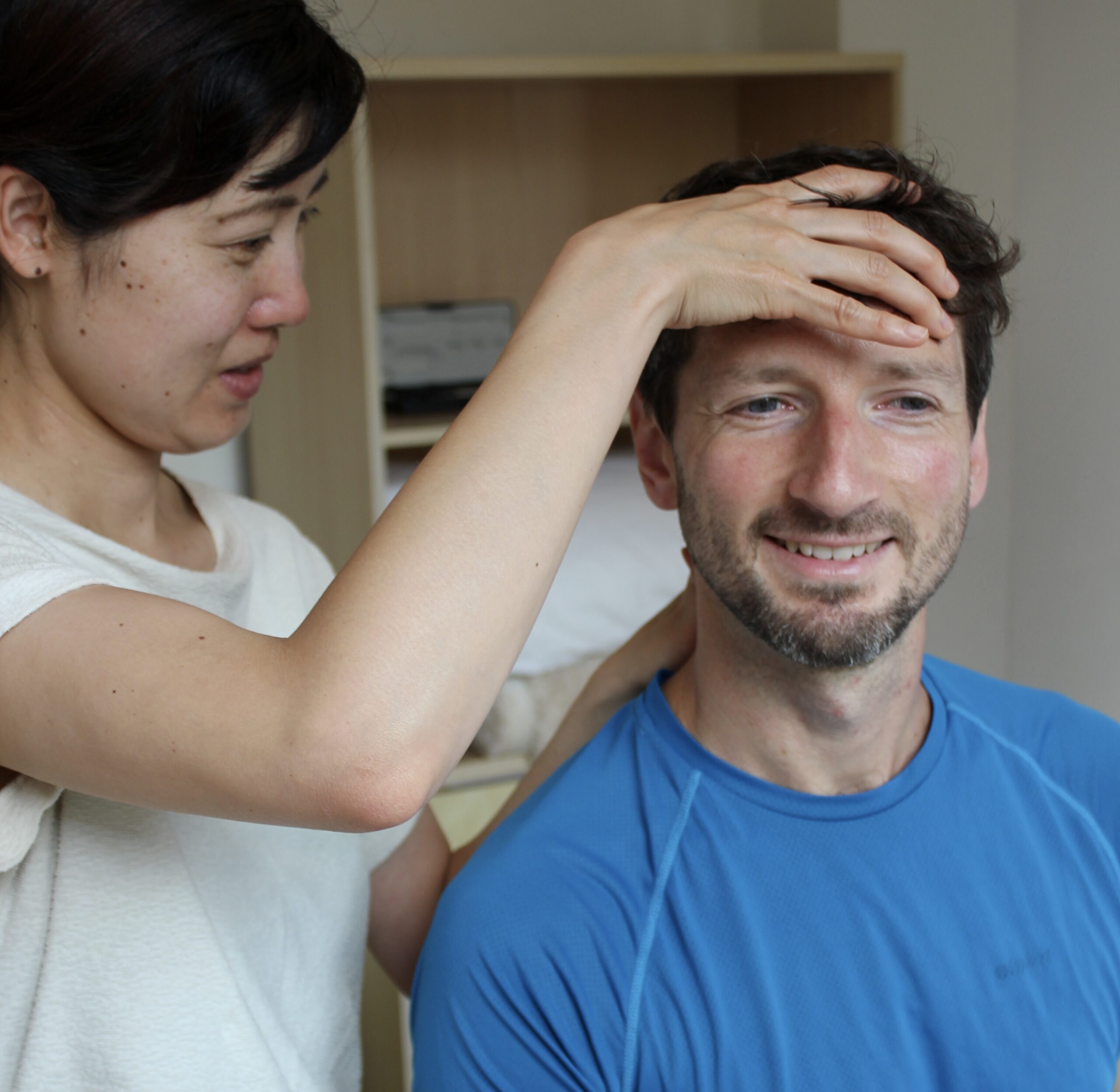
Osteopathic techniques, explained as we go and where appropriate, may include:
- Soft tissue techniques to reduce muscle tension
- Stretching techniques
- Cranial osteopathy techniques to reduce tension patterns that contribute to pain
- Gentle mobilisation of stiff neck and shoulder joints
- Advice on posture, ergonomics, and movement habits
- Targeted exercises to build strength and prevent recurrence
- Guidance on returning safely to work, exercise and daily activities
Our aim is not only to ease your pain but to give you the tools to help prevent it returning.
Why choose the Courtyard Osteopaths?
Our clinic has been caring for patients across Bristol for over 30 years. We combine evidence-informed osteopathy with a friendly, professional, patient-centred approach.
Patients choose us because we offer:
- Longer appointments that allow time to listen
- Careful movement based physical assessment and screening
- Clear explanation of working assessment and expectations
- GP or medical referral where appropriate
- Gentle and safe techniques suitable for all ages
- Expertise in cranial osteopathy
- Relevant advice and simple exercise programmes
- Realistic timelines
- Progress reviews each session
- Focus on long-term recovery, not just short-term relief
HEADACHE FAQs
Frequently Asked
Tension headaches are one of the most common reasons people visit our clinic. Osteopathic techniques focus on reducing muscle tightness in the neck, shoulders and upper back, which can contribute to headache symptoms.
Seek urgent medical attention (111, 999 or A&E) if a headache comes on suddenly and severely ('thunderclap'), is the worst you've ever had, follows a head injury, or is accompanied by weakness, numbness, slurred speech, confusion, vision loss, a stiff neck with fever or rash, or a seizure.
See your GP promptly if you develop a new headache pattern over the age of 50, or have headaches that wake you or worsen on coughing or straining. We screen for these as standard.
Migraine, cluster headache and other headache patterns need appropriate diagnosis and management with your GP or specialist. Some people with these headaches may find osteopathy helpful alongside medical diagnosis and care. Osteopathy aims to reduce physical tension, improve movement and address musculoskeletal factors that may contribute to migraine attacks.
This depends on how long you've had your symptoms and what's contributing to them. Some people notice improvement after one or two sessions, while others benefit from a longer course of care.
Where appropriate we'll recommend simple exercises, stretches and practical advice to help you manage your headaches between appointments.
You can book directly with one of our osteopaths without a GP referral. If we feel your symptoms require further medical investigation, we'll discuss this with you and help you access the appropriate care.
PRACTICAL ADVICE
- To reduce pain and tension in tight muscles, use a heat pack (or hot water bottle) wrapped in a tea towel at the base of the neck, sides of the head or forehead
- Try doing some gentle exercises and stretches for headache pain: Dr Michael Rowe has some good ones, or try these NHS neck flexibility exercises. Stop if your pain gets worse and see your GP for advice
- If you cannot move your neck comfortably, avoid cycling or driving, as it could put you in danger
- Use a low, firm pillow and a firm mattress that supports your neck curve when you sleep on your side
- When sleeping, make sure your head is the same height as the rest of your body
- Pain relief such as paracetamol and ibuprofen may help, but be careful not to overuse and cause an aggravation of symptoms
Sources and further reading
- The Complete Headache Chart
- NHS: Tension headaches: self-care, causes and when to get help
- NHS: Migraine: self-care, causes and treatment
Articles
READY WHEN YOU ARE
Ready to book a headache pain appointment?
If headaches are stopping you doing the things you enjoy, don't wait for them to get worse. We're here to help you return to the activities you enjoy around Bristol.
Book today to arrange an assessment and take your first step towards pain relief.
Helping headache sufferers throughout Bedminster, Southville, Long Ashton and across the Bristol area.
Related: Neck pain · Jaw pain and TMJ · Osteodontics · Book a headache pain assessment