
Assessment and Osteopathy for Shoulder Pain in Bedminster, Bristol
We are trained to assess, diagnose and screen symptoms and are qualified to refer you to GP or other specialist if need be.

Wondering why your shoulder pain doesn't settle?
At the Courtyard Osteopaths, we regularly help people with shoulder pain caused by injury, overuse and everyday wear and tear. Our experienced osteopaths take time to assess not only where your pain is, but why it has developed, including when your GP should be involved. We adapt our osteopathic techniques to your individual needs.
COMMON SYMPTOMS
What does shoulder pain feel like?
- Pain when lifting your arm forwards or to the side, often with a 'painful arc' part-way through the movement
- Difficulty reaching overhead or behind your back to put a coat on or reach for a seat belt
- Aching pain when lying on the affected shoulder at night
- Stiffness or restricted movement, possibly frozen shoulder
- Weakness when lifting or carrying
- Clicking or catching pain during certain movements
- Aching around the shoulder blade or upper arm
- Pain that spreads from the neck or upper back into the shoulder or down the arm
Whether your symptoms developed suddenly after an injury or have gradually worsened over time, we'll carry out a thorough assessment to understand what's contributing to your pain.
POSSIBLE CAUSES
What causes shoulder pain?
The shoulder is one of the most mobile joints in the body, allowing a wide range of movement. This flexibility also means it can be vulnerable to injury and strain. Common causes include:
- Frozen shoulder (adhesive capsulitis)
- Rotator cuff strains or bursitis, often worse when using the arm
- Repetitive lifting or overhead activities causing impingement-type pain
- Osteoarthritis of the shoulder joint
- Poor posture and prolonged desk work
- Muscle imbalance or weakness causing instability or hypermobility
- Neck or upper back problems referring pain into the shoulder
- Minor sports injuries
Sometimes the shoulder itself isn't the main source of pain. During your assessment we'll also examine your neck, upper back and surrounding muscles, as these often play an important role in shoulder function.
Frozen shoulder and sports injuries
We regularly support patients recovering from frozen shoulder (adhesive capsulitis), rotator cuff injuries and sports-related shoulder problems such as those from racquet or throwing sports.
Frozen shoulder often develops gradually and can take many months to recover. While recovery requires patience, osteopathic sessions may help improve movement, reduce discomfort and support rehabilitation throughout the different stages of healing.
For minor sports injuries, osteopathy focuses on restoring normal movement, improving strength and helping you return to activity safely while reducing the risk of further injury. See our sports osteopathy page.
YOUR VISIT
How can osteopathy help shoulder pain?
Our osteopaths aim to ease muscular tension around the shoulder, improve joint mobility and help you move your arm more comfortably.
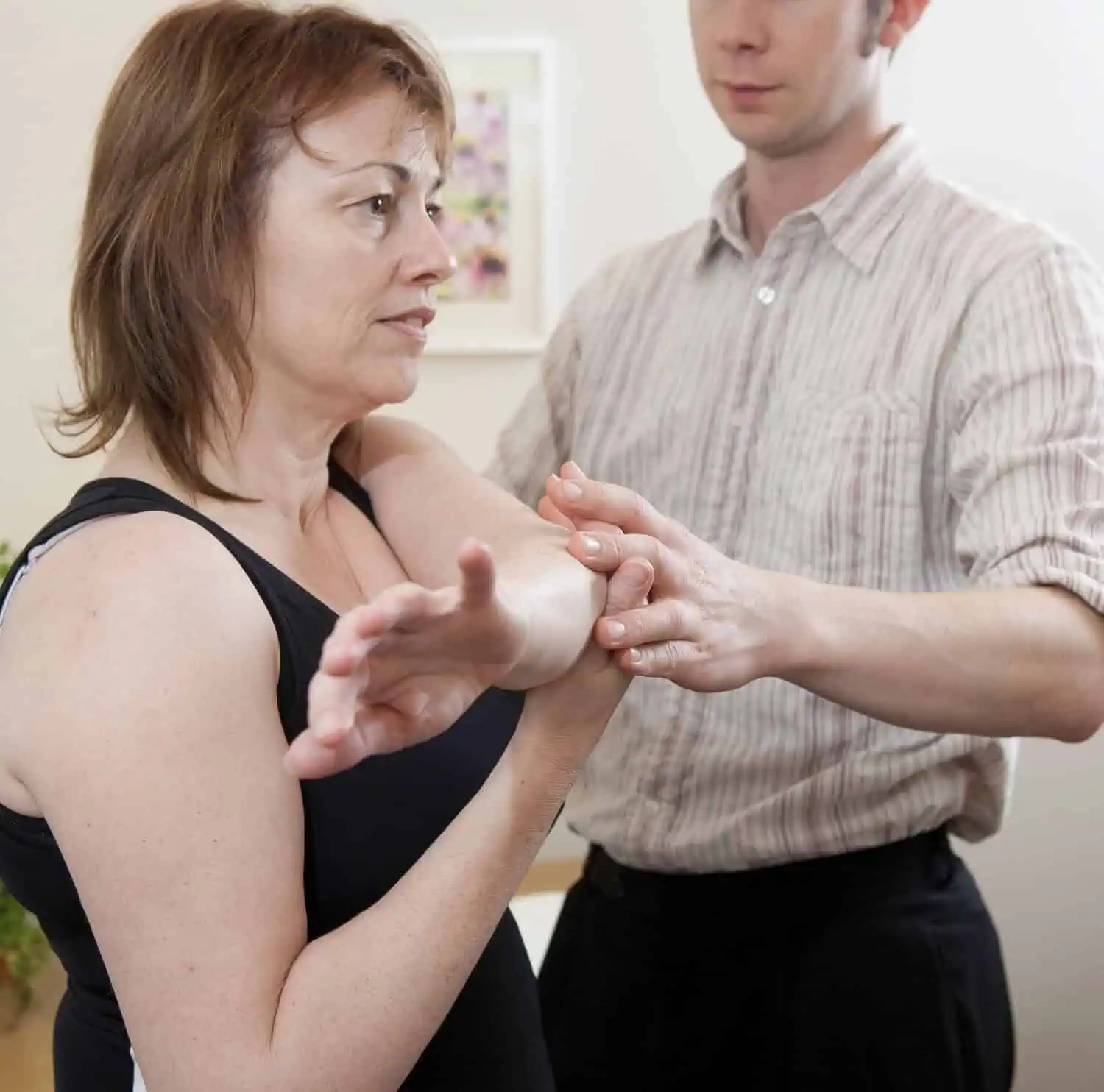
At your first appointment, your osteopath will want to hear how your symptoms are affecting you. They'll ask when the problem started, what makes it better or worse and which movements you find difficult. They'll assess how your shoulder moves and also look at your neck, upper back and surrounding muscles, as problems in these areas can sometimes be connected. They'll then explain their findings and discuss whether osteopathic care may be helpful, or whether further investigation or advice from your GP would be more appropriate.
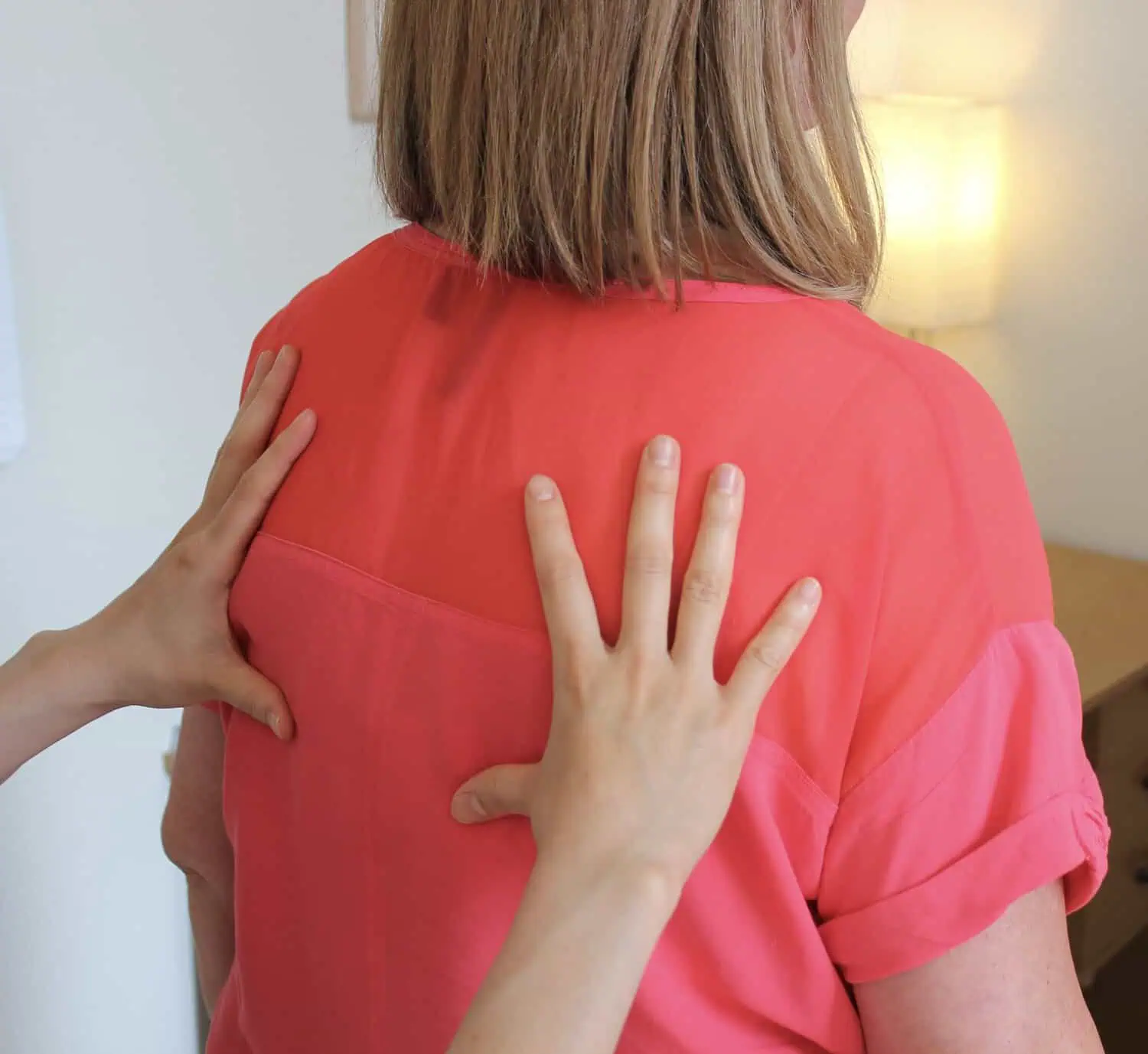
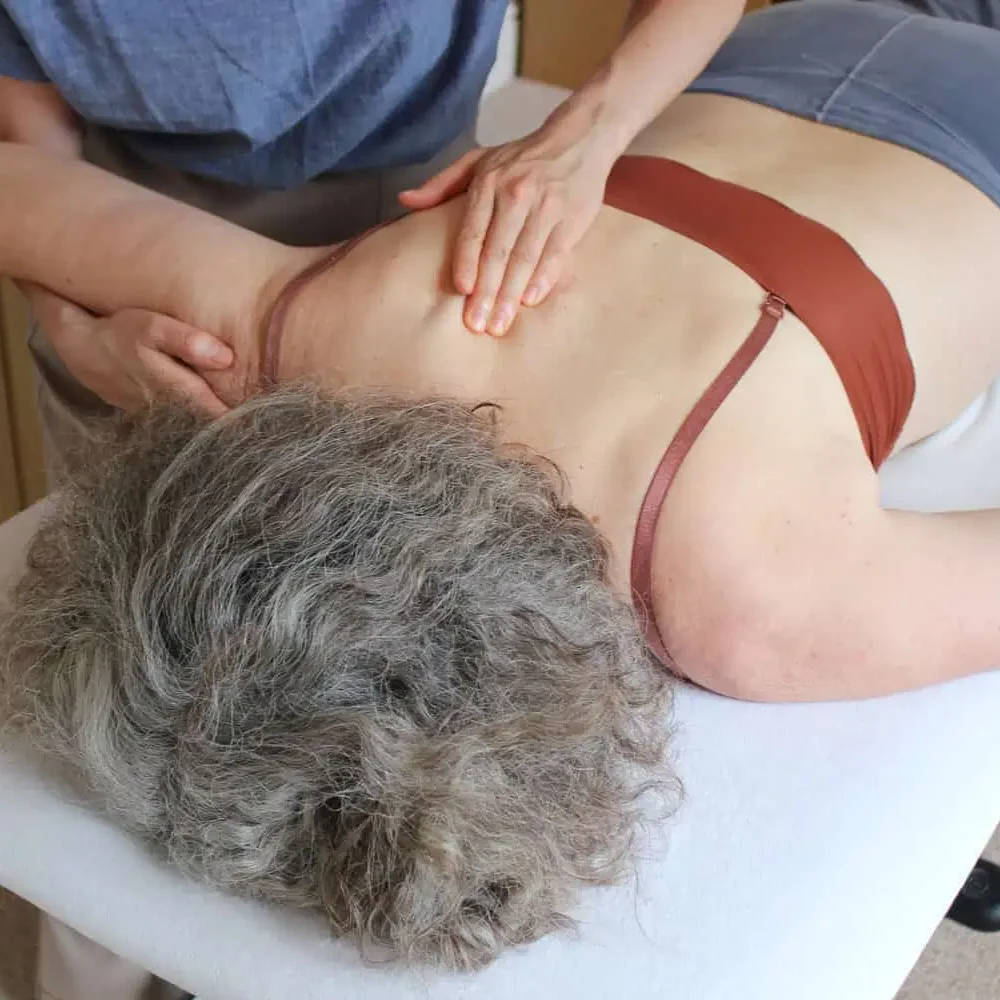
Osteopathic techniques, explained as we go and where appropriate, may include:
- Gentle articulation and mobilisation of the shoulder joint
- Soft tissue massage to reduce muscle tension
- Techniques to the neck and upper back where appropriate
- Gentle stretching where appropriate
- Cranial osteopathy techniques
- Rehabilitation exercises to improve strength and mobility
- Postural advice and ergonomic guidance
- Advice on returning safely to work, sport and everyday activities
Every osteopathic plan is personalised to your symptoms, lifestyle and recovery goals.
Why choose the Courtyard Osteopaths?
Our osteopaths have many years of experience helping people with shoulder pain return to comfortable movement.
Patients choose us because we offer:
- Longer appointments that allow time to listen
- Careful movement, strength and neurological based physical assessment
- Clear explanation of working assessment and expectations
- Screening for anything that needs your GP, an X-ray or a specialist opinion first
- Gentle and safe techniques suitable for all ages and health conditions
- Expertise in cranial osteopathy
- Practical advice and simple exercise programmes focused on your recovery
- Realistic timelines
- Progress reviews each session
- Focus on long-term recovery, not just short-term relief
We believe the best results come from understanding the whole person, not just the painful shoulder.
SHOULDER PAIN FAQs
Frequently Asked
This depends on the cause of your shoulder pain and how long you've had it. Some patients improve within a few sessions, while others recovering from more complex injuries may benefit from a longer rehabilitation programme.
Seeing an osteopath may help improve movement, reduce pain and support recovery throughout the different stages of frozen shoulder. Recovery can take time and osteopathic support often helps patients remain more comfortable and active during this period.
Pain felt in the shoulder is sometimes referred from irritation of the joints or nerves in the neck or upper back. This is why we always assess these areas during your appointment. See our neck pain page.
Not usually as a first step. Most shoulder pain can be assessed clinically. If your history or examination suggests a fracture, a significant tendon tear, arthritis or another problem that would change management, we will recommend you see your GP, who can arrange imaging if needed.
We'll usually recommend simple exercises to improve strength, mobility and shoulder function, helping you continue progressing between appointments.
PRACTICAL ADVICE
- To reduce pain and swelling, use an ice pack (or bag of frozen peas) wrapped in a tea towel
- To relieve joint stiffness or muscle spasms, use a heat pack (or hot water bottle) wrapped in a tea towel
- Try doing some gentle exercises and stretches for shoulder pain: Dr Michael Rowe has some good ones, or see the NHS advice to prevent and ease shoulder pain. Stop if your pain gets worse and see your GP for advice
- Rest your arm on a cushion on your lap to avoid more strain
- Pain relief such as paracetamol and ibuprofen may help, but be careful not to overuse and cause an aggravation of symptoms
Sources and further reading
Articles
READY WHEN YOU ARE
Ready to book a shoulder pain appointment?
If shoulder pain is stopping you doing the things you enjoy, don't wait for it to get worse. We're here to help you return to the activities you enjoy around Bristol.
Helping shoulder pain sufferers throughout Bedminster, Southville, Long Ashton and across the Bristol area.
Related: Neck pain · Headaches and migraines · Elbow pain · Wrist and hand pain · Book a shoulder pain assessment